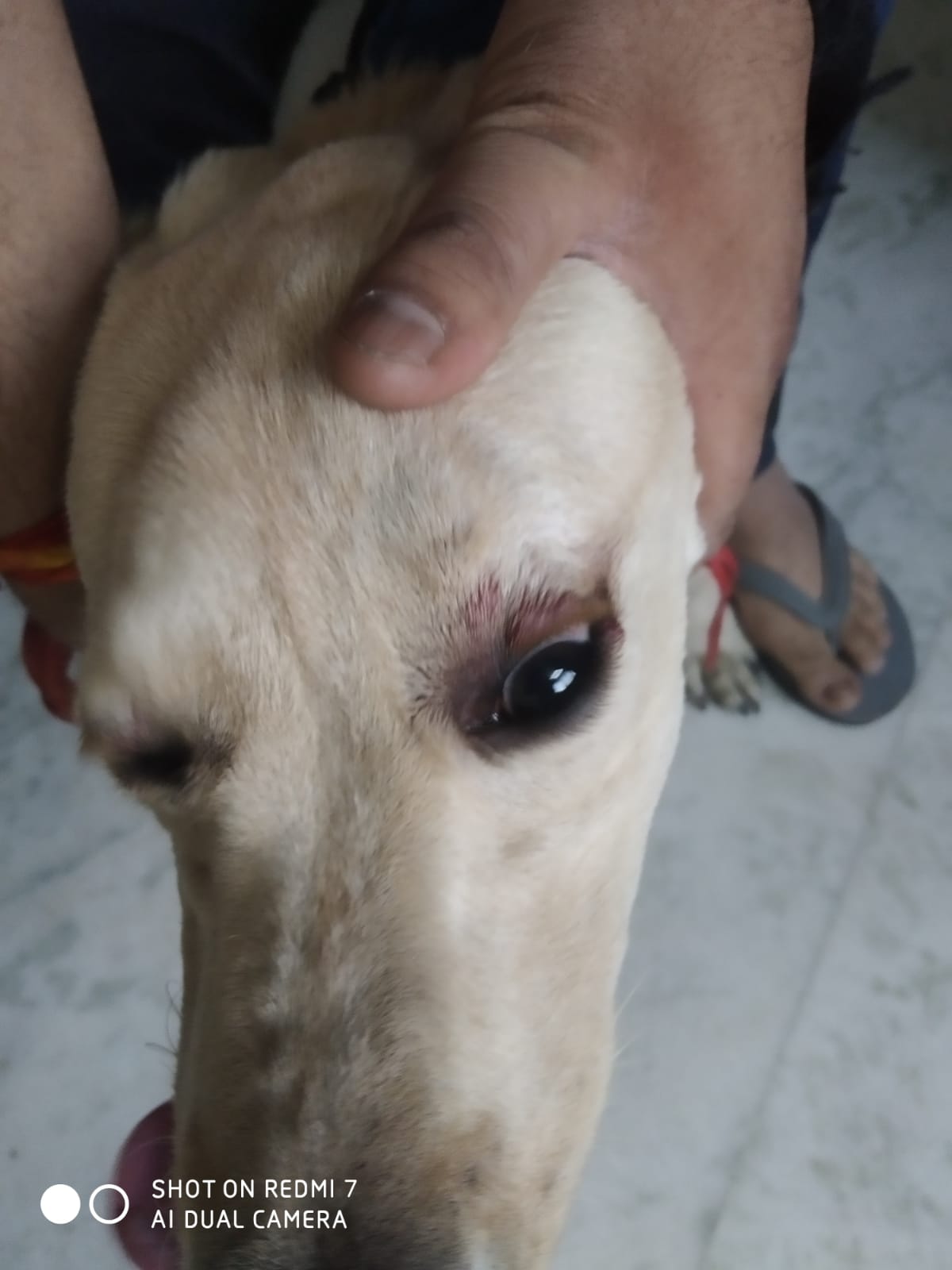


Eye warts in dogs are growths that can appear near or around the eyes. These warts are typically caused by the canine papillomavirus, which leads to the formation of benign (non-cancerous) growths on the skin, including the eyelids and the area surrounding the eyes. While most eye warts are harmless and don't cause serious health problems, it's important to monitor them, as they can sometimes cause irritation or lead to other complications.
What Causes Eye Warts in Dogs:
- Canine papillomavirus (CPV): This is the most common cause of warts in dogs, and it is contagious among dogs, often transmitted through direct contact or by sharing things like toys, bedding, or food/water bowls.
- Age: Younger dogs (under 2 years old) are more likely to develop warts because their immune system is still developing, making them more susceptible to viral infections.
- Weakened immune system: Older dogs or dogs with compromised immune systems are more prone to developing warts, as their immune system may not fight off the virus as effectively.
Signs of Eye Warts:
- Visible growths: The warts can appear as small, raised bumps or cauliflower-like growths, usually flesh-colored or slightly darker. These growths can appear near the eyes or on the eyelids.
- Irritation or discharge: If the wart is rubbing against the eye or eyelid, it could cause irritation, redness, or watery discharge.
- Squinting or excessive blinking: If the wart is irritating the eye, the dog may squint or blink excessively.
- Changes in behavior: If the wart is causing pain or discomfort, the dog might start pawing at the eye or rubbing their face on objects.
When to See a Vet:
While many eye warts are harmless and will go away on their own as the dog's immune system develops or responds to the virus, there are some cases where it's important to seek veterinary care:
- Pain or irritation: If the wart is causing discomfort, interfering with the dog's vision, or leading to excessive blinking or squinting, it’s best to have a vet check it out.
- Changes in size or appearance: If the wart grows rapidly, becomes infected, or changes in color, it could indicate a problem that requires medical attention.
- Infection: If the wart becomes red, swollen, or starts to ooze pus, it could be infected and might need medical treatment.
- If the wart is near the eye: If the wart is causing damage to the eye or surrounding structures, the vet may need to remove it to prevent further harm.
Treatment for Eye Warts in Dogs:
- Observation: In most cases, eye warts are harmless and may go away on their own without treatment. Your vet may suggest simply monitoring the wart to see if it resolves.
- Cryotherapy (freezing): A vet may use liquid nitrogen to freeze off the wart. This procedure is usually well-tolerated, and the wart falls off after a few days.
- Surgical removal: If the wart is causing irritation, discomfort, or vision problems, the vet may recommend surgically removing the wart. This is typically done under anesthesia and can be an effective way to prevent further issues.
- Laser treatment: Some vets may use a laser to remove warts, which can be a precise and less invasive method.
- Topical treatments: In some cases, the vet may recommend topical treatments, but these are less commonly used for eye warts due to the sensitive nature of the area.
Prevention:
- Good hygiene: Keep your dog’s living environment clean and limit exposure to other dogs with warts or skin infections.
- Boost immune health: A balanced diet, regular exercise, and maintaining overall health can help keep your dog's immune system strong and better equipped to fight off infections like the papillomavirus.
- Avoid sharing items: If your dog is around other dogs that have warts, try to avoid sharing toys, bedding, or bowls that could transmit the virus.
Other Considerations:
- Not all growths are warts: It's important to distinguish between warts and other types of growths or tumors, which may need different treatments. If you're unsure whether the growth is a wart or something more serious, a veterinary visit is recommended.
- Viral nature: If the wart is caused by the papillomavirus, it may recur or spread to other areas of the body, though many dogs naturally develop immunity to the virus over time.
If your dog has an eye wart or you suspect a growth around their eyes, it’s a good idea to consult with a vet to ensure it’s not causing harm or discomfort. Would you like to know more about the procedures for wart removal, or need help finding a vet to take a closer look?