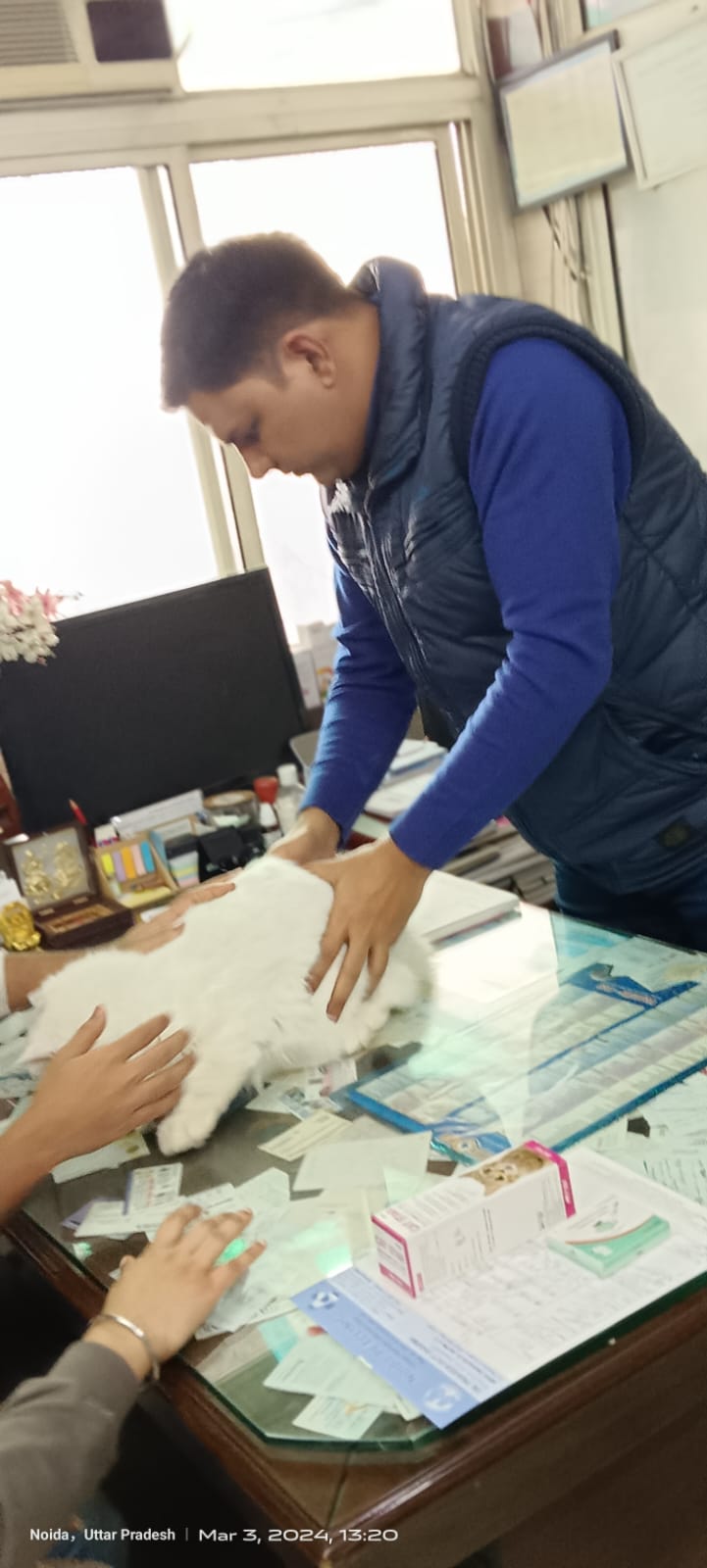


Urinary tract infections (UTIs) in Persian cats, like in other cats, can be a common and concerning health issue. These infections can affect the bladder, kidneys, or urethra, leading to painful urination, discomfort, and potentially more serious complications if left untreated. Here are some key points about urinary tract infections in Persian cats:
Symptoms of UTI in Persian Cats
- Frequent Urination: Your cat may attempt to urinate more often than usual, even though only small amounts come out.
- Straining to Urinate: Your Persian may appear to strain or have difficulty urinating, which can be painful.
- Blood in Urine: You may notice blood in their urine, which is a sign of infection or irritation in the urinary tract.
- Inappropriate Urination: If your Persian cat starts urinating outside the litter box, this could be a sign of pain or discomfort related to a UTI.
- Licking Genital Area: Cats with urinary issues often lick their genital area more frequently in an attempt to soothe the irritation.
- Changes in Behavior: Your cat may become more withdrawn, lethargic, or even aggressive due to the discomfort caused by the infection.
Causes of Urinary Tract Infections in Persian Cats
- Bacterial Infections: The most common cause of UTIs in cats is bacterial infection, usually caused by bacteria ascending from the urethra into the bladder.
- Bladder Stones: Persian cats are predisposed to developing bladder stones, which can cause irritation, blockages, and secondary infections.
- Urinary Crystals: Crystals in the urine can irritate the urinary tract and lead to infections.
- Underlying Health Issues: Conditions such as diabetes, kidney disease, or a weakened immune system can make cats more susceptible to infections.
- Inadequate Hydration: Cats that don't drink enough water are more likely to develop urinary tract problems, as concentrated urine can irritate the bladder.
- Stress: Persian cats can sometimes experience stress, which may contribute to urinary tract problems or make existing infections worse.
Diagnosis
If you suspect your Persian cat has a UTI, a visit to the vet is necessary for an accurate diagnosis. The vet will likely:
- Urinalysis: A urine sample will be taken to check for bacteria, blood, crystals, or other signs of infection.
- Urine Culture: If a bacterial infection is suspected, a urine culture may be done to identify the specific bacteria and determine the best antibiotics to treat the infection.
- Imaging: If bladder stones or crystals are suspected, imaging such as X-rays or ultrasounds may be used to assess the bladder and kidneys.
Treatment
- Antibiotics: The vet will likely prescribe antibiotics to treat the infection, usually for about 7–10 days. It's important to follow the prescribed course to ensure the infection is fully cleared.
- Pain Relief: If your Persian cat is in pain, the vet may recommend pain relief medications to help ease discomfort.
- Dietary Changes: If bladder stones or urinary crystals are involved, the vet may suggest a special diet to dissolve the stones or prevent new ones from forming.
- Increased Water Intake: Ensuring your cat is well-hydrated is essential. Consider offering wet food or adding water to their meals to encourage them to drink more.
- Probiotics: Sometimes, probiotics may be recommended to restore the healthy balance of bacteria in the urinary tract, especially after a course of antibiotics.
Prevention
- Maintain a Clean Litter Box: A clean litter box encourages your cat to urinate regularly, which helps flush out bacteria from the urinary tract.
- Provide Fresh Water: Make sure your Persian cat always has access to fresh, clean water to encourage hydration. You can also try a cat water fountain, as many cats prefer drinking running water.
- Healthy Diet: Feed your cat a high-quality diet that promotes urinary health. Specialized diets are available to help prevent urinary crystals and bladder stones.
- Stress Management: Reducing stress in your cat's environment can help prevent urinary issues. Make sure your cat has a safe, quiet space to retreat to and offer plenty of enrichment activities.
- Regular Vet Checkups: Regular checkups with the vet can help detect urinary issues early and prevent recurring infections or other underlying health problems.
When to See a Vet
If you notice any of the symptoms of a urinary tract infection in your Persian cat, it's important to get them checked by a vet as soon as possible. UTIs can lead to more serious conditions, such as kidney infections or urinary blockages, which can be life-threatening.
By maintaining a clean, stress-free environment and providing proper nutrition and hydration, you can help prevent UTIs and ensure your Persian cat stays happy and healthy.