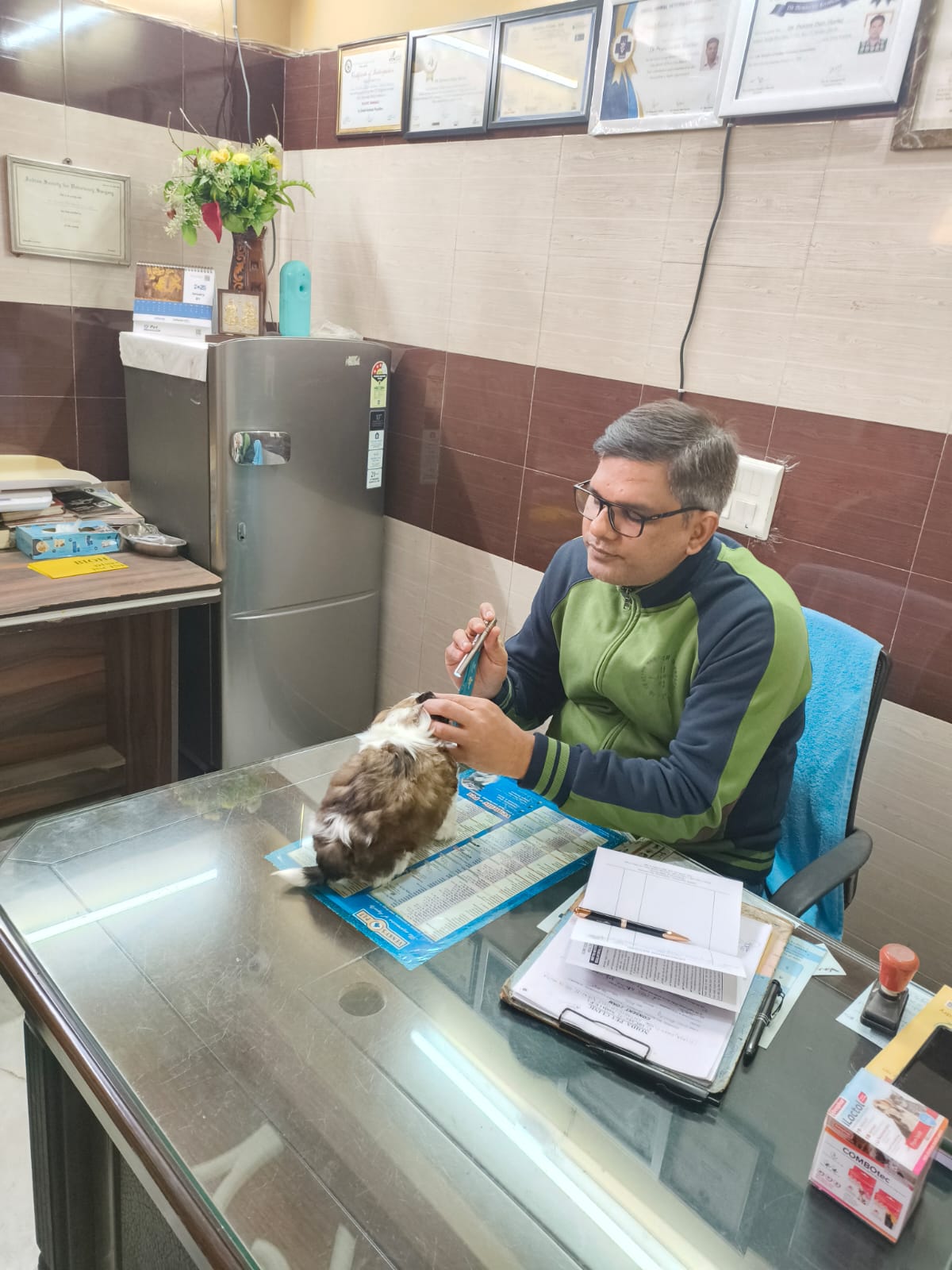


Taking care of a puppy is an exciting and rewarding experience, but it also comes with responsibility. Proper care during the early months of a puppy's life helps ensure they grow up to be healthy, well-adjusted adult dogs. Here’s a guide to help you with puppy care:
1. Nutrition
- Quality Puppy Food: Choose high-quality puppy food that is specifically formulated to meet the nutritional needs of growing dogs. Puppies require more protein and fat than adult dogs to support their development.
- Meal Schedule: Puppies typically need to be fed 3–4 times a day (depending on age). As they grow, you can gradually reduce feeding to twice a day.
- Fresh Water: Always provide fresh water. Make sure it’s clean and accessible at all times.
2. Training and Socialization
- House Training: Start potty training early. Take your puppy outside frequently (every 1-2 hours), especially after eating, drinking, or waking up.
- Crate Training: Introduce your puppy to a crate early on. This provides them with a safe space and can help with house training.
- Basic Commands: Start teaching basic commands like “sit,” “stay,” “come,” and “no” early. Use positive reinforcement (treats, praise) to encourage good behavior.
- Socialization: Expose your puppy to different people, animals, and environments to help them become well-adjusted. Puppy socialization classes are a great way to meet other dogs and people in a controlled environment.
3. Exercise
- Daily Play and Walks: Puppies have lots of energy! Provide plenty of opportunities for exercise, such as playtime and short walks. However, avoid over-exercising young puppies, as their bones and joints are still developing.
- Mental Stimulation: Puppies need mental exercise too! Provide puzzle toys or engage in training sessions to challenge their minds.
4. Veterinary Care
- Vaccinations: Your puppy will need a series of vaccinations to protect against diseases like parvovirus, distemper, and rabies. Follow your vet’s schedule for these vaccinations.
- Parasite Control: Puppies can have fleas, ticks, and worms. Make sure to get them checked for parasites and discuss a suitable deworming schedule with your vet.
- Spaying/Neutering: If you plan to spay or neuter your puppy, discuss the best timing with your vet.
- Regular Checkups: Take your puppy for regular vet checkups, particularly during the first year. These checkups are important for monitoring their growth and development.
5. Grooming
- Bathing: Puppies don’t need frequent baths, but regular grooming is essential. Use puppy-safe shampoo to bathe them as needed.
- Brushing: Brush your puppy’s coat regularly, especially if they have a longer or thicker coat. This helps prevent tangles and mats and reduces shedding.
- Nail Trimming: Keep your puppy's nails trimmed to avoid overgrowth and discomfort. Be gentle and patient while introducing them to nail trimming.
- Ear and Teeth Care: Clean your puppy’s ears regularly to avoid infections, and start brushing their teeth with dog-specific toothpaste to prevent dental issues.
6. Chew Toys and Teething
- Chew Toys: Puppies go through a teething phase, during which they may chew on anything they can get their paws on. Provide them with appropriate chew toys to redirect their chewing behavior.
- Teething Relief: To soothe teething discomfort, you can offer frozen chew toys or cold washcloths for them to gnaw on.
7. Safe Environment
- Puppy-Proofing: Puppies are naturally curious and can get into trouble if left unattended. Puppy-proof your home by removing hazardous items like electrical cords, toxic plants, or small objects they could swallow.
- Secure Living Area: Make sure your puppy’s living area is safe and comfortable. If you’re leaving them alone, it’s best to confine them to a safe area (like a playpen or crate) to prevent accidents.
8. Bonding
- Time Together: Spend quality time with your puppy. Play, cuddle, and create a strong bond with them. This helps them feel secure and loved, which is essential for their emotional well-being.
- Positive Reinforcement: Use positive reinforcement techniques to reward good behavior. Treats, praise, and play are great motivators.
9. Behavior Management
- Addressing Unwanted Behavior: It’s important to address undesirable behaviors early on, such as biting, excessive barking, or jumping. Be consistent with training, and avoid punishment-based methods, which can harm the bond with your puppy.
- Teething and Biting: If your puppy is biting during teething, redirect them to appropriate chew toys and use positive reinforcement when they chew on those instead of your hands or furniture.
10. Patience and Consistency
Raising a puppy takes time, patience, and consistency. Be prepared for some challenges, but also remember that this phase is temporary. With time and effort, your puppy will grow into a well-behaved and loving adult dog.
When to Visit the Vet
- If your puppy isn’t eating or drinking properly.
- If they seem lethargic or have abnormal behavior.
- If there is diarrhea, vomiting, or any signs of illness.
- If you notice skin irritations, rashes, or unusual growths.
By providing a healthy environment, proper training, and regular care, you’ll ensure that your puppy grows into a happy, well-adjusted adult dog. Enjoy your time with your new furry friend!