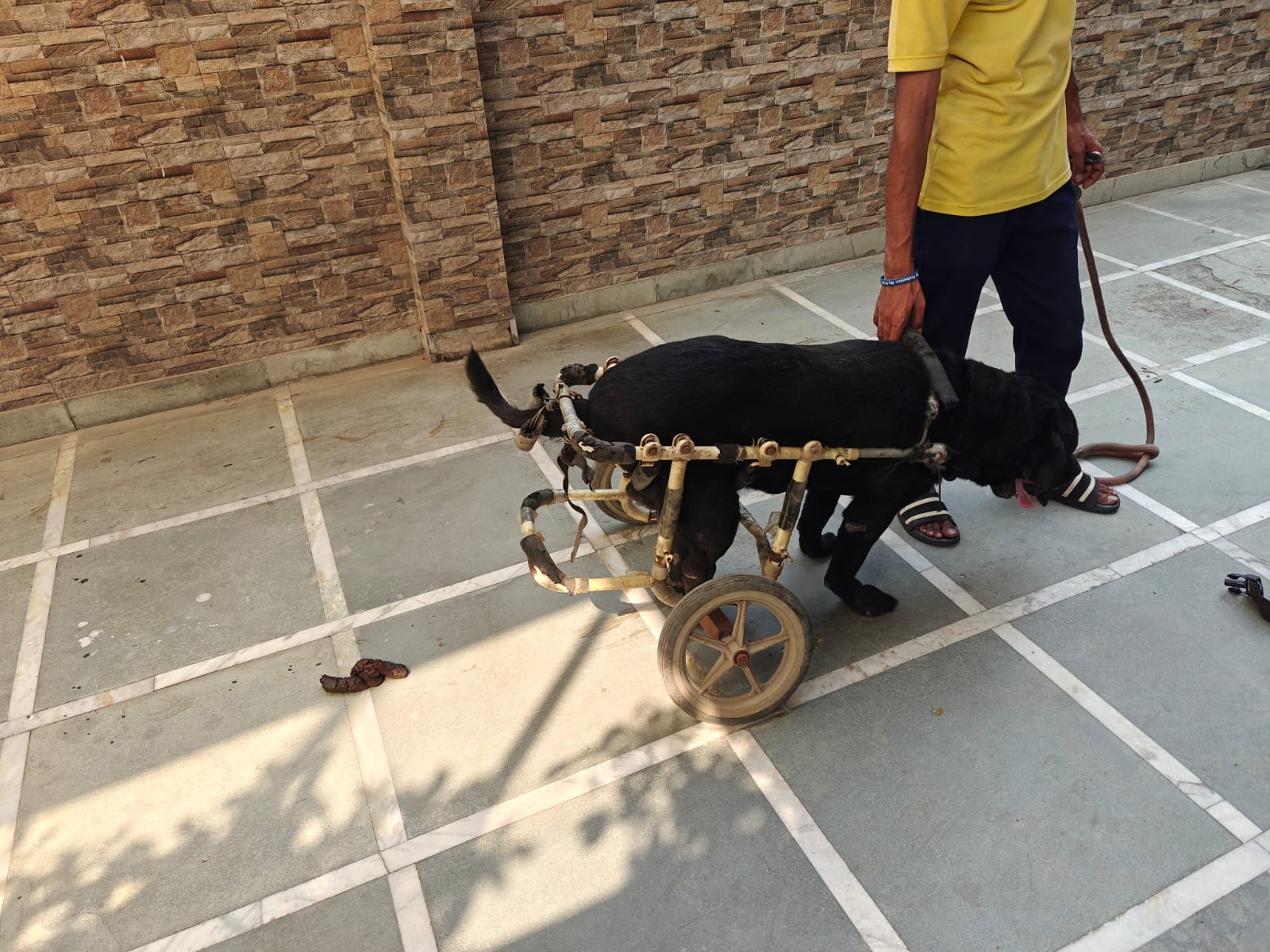


Posterior paralysis in dogs refers to the loss of movement or sensation in the hind limbs (back legs). It is a serious condition that can result from a variety of underlying causes, including spinal cord injury, neurological disorders, infections, or degenerative diseases. It requires prompt veterinary attention for proper diagnosis and treatment.
Common Causes of Posterior Paralysis in Dogs:
Intervertebral Disc Disease (IVDD):
- What it is: IVDD is a condition where one or more of the discs in the spine degenerate or herniate (slip out of place), putting pressure on the spinal cord.
- Symptoms: Sudden onset of paralysis, pain, difficulty walking or standing, and weakness in the back legs. Small breed dogs like Dachshunds, Chihuahuas, and Corgis are more prone to IVDD.
- Treatment: Depending on the severity, treatment can range from strict rest and anti-inflammatory medications to surgery to relieve pressure on the spinal cord.
Trauma or Spinal Injury:
- What it is: Trauma from accidents, falls, or being hit by a vehicle can result in fractures or dislocations of the spine, leading to paralysis.
- Symptoms: Sudden onset of paralysis, inability to move the hind legs, and possibly pain or reluctance to move. The injury may be visible or detected through imaging.
- Treatment: Immediate veterinary care is essential. Treatment may include stabilization of the spine, surgery, or medications to reduce swelling and pain.
Degenerative Myelopathy:
- What it is: Degenerative myelopathy is a progressive, untreatable disease of the spinal cord that affects older dogs, particularly German Shepherds and other large breeds.
- Symptoms: Slow onset of hind limb weakness, lack of coordination, dragging of the back legs, and eventually total paralysis.
- Treatment: There is no cure, but supportive care such as physical therapy and mobility aids (e.g., dog wheelchairs) can help manage the condition and maintain the dog's quality of life.
FCE (Fibrocartilaginous Embolism):
- What it is: FCE is a sudden disruption of blood flow to the spinal cord, usually caused by a fragment of disc material blocking the blood vessels. It often affects middle-aged or older dogs.
- Symptoms: Sudden, severe paralysis of the hind limbs with no pain. Dogs may still have sensation in the legs, but they cannot move them.
- Treatment: FCE is typically treated with supportive care and physical therapy. Most dogs show some improvement over time, but recovery is slow and unpredictable.
Canine Distemper:
- What it is: Canine distemper is a viral disease that can affect the nervous system, leading to neurological symptoms, including paralysis.
- Symptoms: In addition to paralysis, symptoms may include fever, coughing, vomiting, diarrhea, and eye discharge. Neurological symptoms may develop, including twitching, seizures, and paralysis.
- Treatment: There is no specific cure for distemper, and treatment is supportive, focusing on managing symptoms. Prevention through vaccination is the best way to protect your dog.
Tick Paralysis:
- What it is: Certain species of ticks produce a neurotoxin that can lead to paralysis in dogs. The paralysis often starts in the hind limbs and progresses.
- Symptoms: Gradual onset of paralysis, starting in the back legs, and possibly progressing to other limbs. Dogs may also show weakness, difficulty breathing, or inability to swallow.
- Treatment: The paralysis is usually reversible once the tick is removed, and the neurotoxin is eliminated from the dog’s system. Immediate tick removal and supportive care can result in a full recovery.
Infections (e.g., Meningitis, Encephalitis):
- What it is: Infections of the brain or spinal cord, caused by bacteria, viruses, or fungi, can lead to inflammation and neurological symptoms, including paralysis.
- Symptoms: In addition to paralysis, symptoms may include fever, lethargy, loss of appetite, and seizures.
- Treatment: Treatment typically involves antibiotics or antifungal medications, anti-inflammatory drugs, and supportive care to address the underlying infection.
Tumors or Cancer:
- What it is: Tumors that grow on or near the spinal cord can put pressure on the spinal cord, leading to paralysis. Primary spinal tumors or metastatic tumors from other parts of the body may cause these issues.
- Symptoms: Gradual or sudden onset of hind limb weakness, pain, loss of coordination, and paralysis.
- Treatment: Treatment depends on the type and location of the tumor. Options may include surgery, radiation therapy, or chemotherapy.
Hypokalemic Myopathy:
- What it is: This is a condition in which low potassium levels cause muscle weakness and paralysis. It is more common in cats but can also affect some dogs, especially those with kidney disease or poor diet.
- Symptoms: Weakness, difficulty standing or walking, and paralysis, particularly in the hind limbs.
- Treatment: Potassium supplements are commonly used to treat hypokalemia, along with addressing any underlying causes, such as kidney disease.
Symptoms of Posterior Paralysis in Dogs:
- Complete loss of movement in the hind limbs.
- Weakness or dragging of the back legs.
- Loss of coordination or wobbliness when walking.
- Pain or sensitivity when the area is touched.
- Inability to control urination or defecation (in severe cases).
- Absence of sensation in the affected limbs (in some cases).
- Trembling or shaking in the hind limbs.
- Changes in posture, like the dog sitting or lying in unusual positions to compensate for the lack of movement.
Diagnosis:
The vet will need to perform a thorough examination to determine the underlying cause of the paralysis. This may include:
- Physical and neurological exam: To check for signs of pain, weakness, or loss of sensation.
- X-rays: To look for fractures, disc problems, or tumors in the spine.
- MRI or CT scan: To get a detailed image of the spinal cord and identify problems such as disc herniation, tumors, or other spinal cord issues.
- Blood tests: To rule out infections, tick-borne diseases, or metabolic issues.
- Spinal fluid analysis: In some cases, a sample of cerebrospinal fluid may be collected to check for inflammation or infection in the spinal cord or brain.
Treatment Options:
Treatment will depend on the underlying cause of the paralysis, but may include:
- Surgical Intervention: If the paralysis is due to a spinal injury, disc herniation, or tumor, surgery may be required to relieve pressure on the spinal cord or repair damage.
- Medications:
- Anti-inflammatory drugs (such as corticosteroids) may be used to reduce swelling and inflammation, particularly in cases like IVDD or trauma.
- Antibiotics or antivirals may be prescribed if an infection is the cause.
- Pain management: Analgesics to reduce pain and discomfort associated with spinal injuries or neurological issues.
- Physical Therapy: After the acute phase, physical therapy is often recommended to help strengthen muscles, improve mobility, and prevent muscle atrophy.
- Supportive Care: If the condition is progressive or untreatable, supportive care (such as a wheelchair, bladder expression, and a special diet) can help improve the dog’s quality of life.
- Tick Removal: If the paralysis is due to tick-borne neurotoxins, removing the tick immediately can reverse the paralysis, though some dogs may require additional supportive care.
Prognosis:
The prognosis for posterior paralysis in dogs depends on the underlying cause:
- IVDD: With early diagnosis and treatment, many dogs recover well after surgery or conservative treatment.
- FCE: Some dogs show significant improvement with physical therapy, although recovery can take time and is not always complete.
- Degenerative Myelopathy: Unfortunately, this is a progressive disease with no cure, but supportive care can help manage symptoms and improve mobility for a time.
- Trauma: The prognosis will depend on the severity of the injury and whether there is any permanent damage to the spinal cord.
- Infections or tumors: The prognosis will depend on the timeliness and success of treatment for the underlying condition.
Conclusion:
Posterior paralysis in dogs is a serious condition that requires immediate veterinary attention to determine the cause and begin appropriate treatment. Early intervention can often improve outcomes, especially in cases of trauma or herniated discs. If you notice signs of paralysis in your dog, it's important to seek veterinary care right away to maximize the chances of recovery.