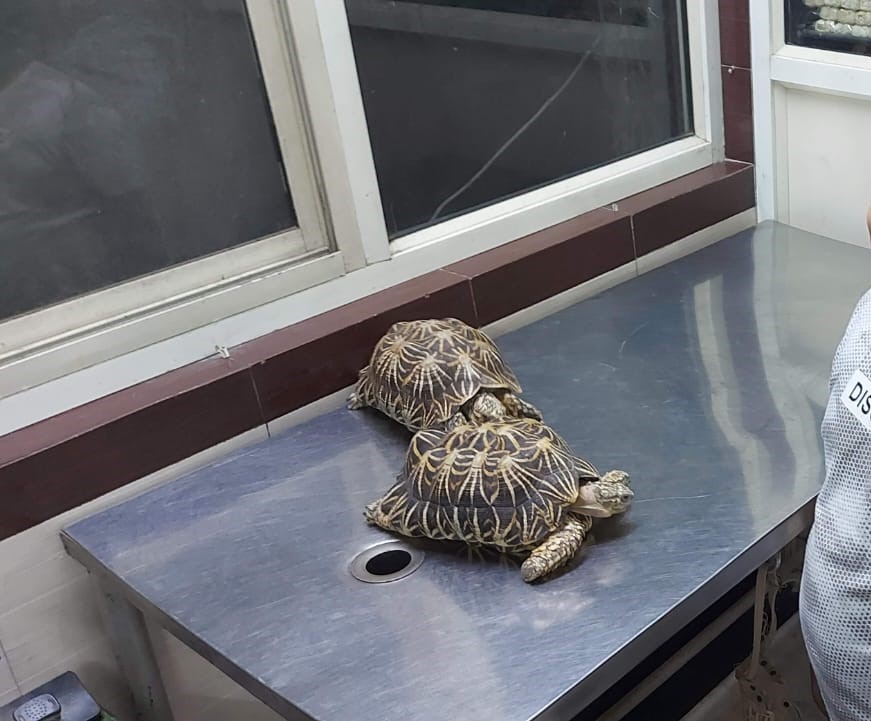


NOIDA PETCLINIC IN SECTOR 104
The Yellow-Bellied Slider Turtle (Trachemys scripta scripta), often referred to simply as the Yellow-Bellied Slider or Yellow Belly Turtle, is a popular species of turtle kept as pets. Here are some care guidelines for Yellow-Bellied Slider Turtles:
Habitat:
- Enclosure: Provide a spacious enclosure with both land and water areas. A large aquarium or pond setup is ideal.
- Water Quality: Maintain clean, filtered water in the aquatic portion of the enclosure. Turtles are sensitive to water quality, so regular water changes are essential.
- Basking Area: Include a basking area with a heat lamp or basking light where the turtle can dry off and regulate its body temperature. The basking area should be easily accessible and have a temperature gradient, with temperatures around 85-90°F (29-32°C).
- Substrate: Use a substrate in the aquatic area, such as aquarium gravel or river rocks. The substrate should be easy to clean and large enough to prevent ingestion.
- Hideouts: Provide hiding spots or shelters both in the water and on land where the turtle can retreat and feel secure.
Diet:
- Variety: Offer a varied diet consisting of commercial turtle pellets, live or frozen aquatic plants, insects, and occasional fruits and vegetables.
- Calcium and Vitamin Supplements: Dust food items with calcium and vitamin supplements to ensure proper nutrition and shell health.
- Feeding Frequency: Feed juvenile turtles daily and adult turtles every other day. Adjust feeding frequency based on the individual turtle's activity level and metabolism.
Temperature and Lighting:
- Basking Light: Provide a UVB lamp to help the turtle metabolize calcium and maintain proper shell health. UVB lighting is crucial for preventing metabolic bone disease.
- Temperature: Maintain a basking area temperature of 85-90°F (29-32°C) and an ambient temperature in the enclosure around 75-80°F (24-27°C). Use a thermometer to monitor temperatures regularly.
Handling and Interaction:
- Limited Handling: While Yellow-Bellied Slider Turtles can tolerate handling to some extent, minimize handling to reduce stress and the risk of injury.
- Supervised Interaction: Supervise interactions with other pets and children to ensure the safety of both the turtle and the individuals involved.
Health and Veterinary Care:
- Regular Check-ups: Schedule regular check-ups with a reptile veterinarian to monitor the turtle's health and address any concerns promptly.
- Parasite Prevention: Keep the enclosure clean to prevent parasite infestations, and monitor the turtle for signs of illness or parasites such as lethargy, loss of appetite, or abnormal behavior.
Legal Considerations:
- Legal Ownership: Before acquiring a Yellow-Bellied Slider Turtle, ensure that you are allowed to own one as pets. Some regions have restrictions on keeping this species due to concerns about invasive populations.
Additional Tips:
- Research: Continuously educate yourself on proper turtle care and stay updated on best practices.
- Environmental Enrichment: Provide environmental enrichment such as floating logs, plants, and other objects for exploration and mental stimulation.
By following these care guidelines and providing a suitable environment, diet, and veterinary care, you can help ensure the health and well-being of your Yellow-Bellied Slider Turtle.