


NOIDA PETCLINIC IN SECTOR 47
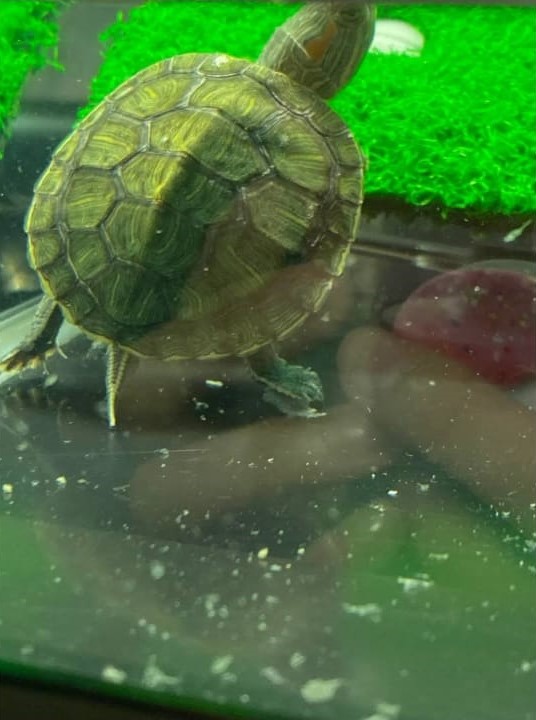
Shedding and white spots on a turtle's shell can indicate several potential issues:
Natural Shedding: Turtles periodically shed scutes (the individual plates that make up their shell) as they grow. This shedding process is usually gradual and shouldn't cause concern unless there are signs of other health issues.
Fungal or Bacterial Infection: White patches or spots on a turtle's shell could be indicative of a fungal or bacterial infection. These infections can occur due to poor water quality, improper diet, or inadequate habitat conditions.
Shell Rot: Shell rot is a serious condition where bacteria or fungi infect the shell, leading to deterioration and the formation of white or discolored spots. It often occurs due to poor water quality, injury, or prolonged exposure to damp conditions.
Calcium Deficiency: Insufficient calcium in the turtle's diet can lead to metabolic bone disease (MBD), which weakens the shell and may cause white spots or deformities.
Parasites: Certain parasites, such as leeches or mites, can attach themselves to a turtle's shell, leading to white spots or flakes.
If you notice white spots or flakes on your turtle's shell, it's essential to address the underlying cause promptly. Here are some steps you can take:
- Ensure proper habitat conditions, including clean water, appropriate temperature, and adequate UVB lighting.
- Provide a balanced diet rich in calcium and vitamin D3 to prevent deficiencies.
- Regularly clean the turtle's habitat and monitor water quality.
- If you suspect a fungal or bacterial infection, consult a veterinarian who specializes in reptiles for diagnosis and treatment.
- Inspect the turtle's shell for signs of injury or parasites and take appropriate action if necessary.
Prompt veterinary care is crucial for diagnosing and treating any health issues affecting your turtle.


