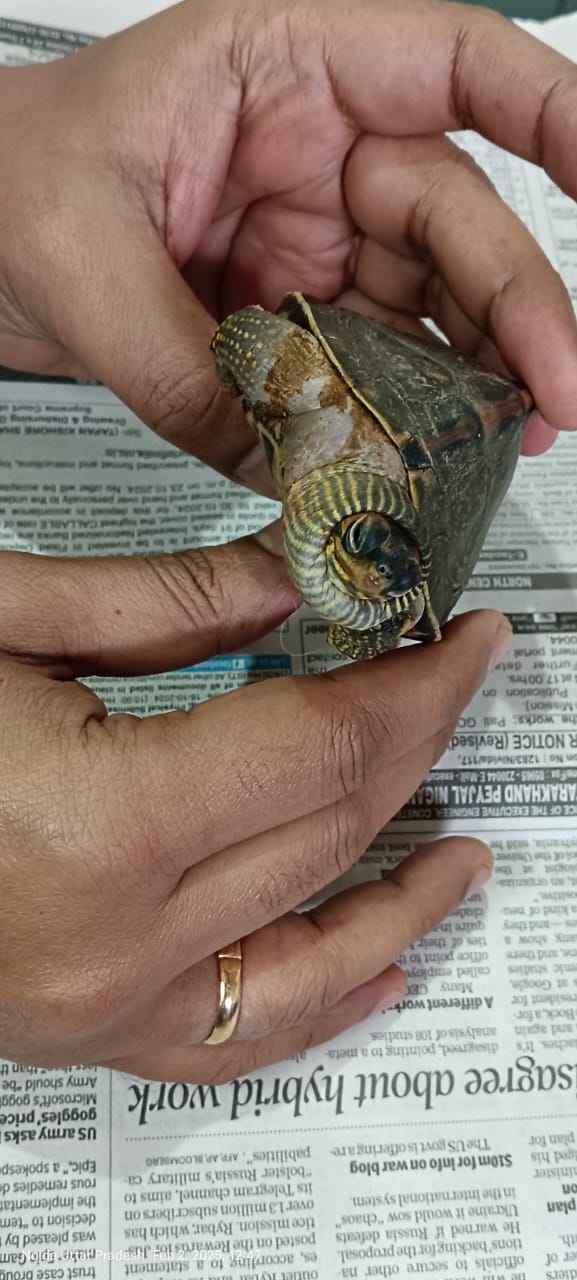


An abscess in turtles is a localized pocket of pus that forms as a result of an infection. It is a common health issue that can affect turtles, often caused by bacteria or injury. Abscesses can occur anywhere on the turtle's body, including under the shell, near the eyes, or around the neck and limbs.
Causes of Abscesses in Turtles
- Bacterial Infections: The most common cause of abscesses in turtles is a bacterial infection. This can occur from a wound, scratch, or injury that allows bacteria to enter the body.
- Shell Injuries: Turtles are vulnerable to injuries to their shells, whether from fights with other animals, falls, or accidents. These injuries can become infected and lead to abscesses.
- Poor Water Quality: If a turtle’s habitat is not properly maintained, bacteria and other harmful pathogens can thrive, leading to infections that can result in abscesses.
- Nutritional Deficiencies: Poor diet or lack of vitamins and minerals can weaken the turtle's immune system, making it more prone to infections and abscess formation.
- Existing Health Problems: Turtles with compromised immune systems, such as those suffering from metabolic bone disease or other illnesses, are more prone to abscesses.
Symptoms of Abscesses in Turtles
- Swelling or Lumps: A visible bump or lump on the turtle’s skin, near the eyes, neck, limbs, or under the shell.
- Redness or Discoloration: The affected area may be red, inflamed, or have a different color than the surrounding skin.
- Pus or Drainage: If the abscess bursts or is opened, you may see pus or other discharge.
- Lethargy: Turtles with abscesses might become lethargic or less active than usual due to pain or discomfort.
- Loss of Appetite: An abscess can cause pain that affects the turtle's ability to eat or drink.
- Difficulty Moving: If the abscess is located around the turtle's limbs or neck, it might cause difficulty with movement.
Treatment of Abscesses in Turtles
- Veterinary Care: Abscesses in turtles should be evaluated by a veterinarian, as they typically require professional treatment. The vet may perform a procedure to drain the abscess and prescribe antibiotics to treat the infection.
- Antibiotics: The turtle will likely need antibiotics to clear the infection, especially if the abscess is caused by bacteria.
- Wound Care: If the abscess has burst or been drained, the turtle’s wound will need to be cleaned and monitored for signs of further infection.
- Surgery: In some cases, surgery may be necessary to remove the infected tissue, especially if the abscess is deep or has been present for a long time.
- Improving Habitat: Ensuring that the turtle’s habitat is clean and that the water quality is optimal is crucial in preventing future infections and abscesses.
Prevention of Abscesses in Turtles
- Maintain Clean Water: Regularly clean your turtle’s tank and provide fresh, clean water to reduce the risk of bacterial infections.
- Proper Nutrition: Feed your turtle a well-balanced diet to ensure it has the necessary nutrients to maintain a healthy immune system.
- Avoid Injuries: Provide a safe environment for your turtle, avoiding sharp objects or rough surfaces that could cause injuries. Monitor your turtle’s behavior to prevent fights with other animals.
- Regular Vet Checkups: Regular checkups with a vet can help detect health problems early and prevent complications like abscesses.
- Quarantine New Turtles: If you introduce a new turtle to your tank, quarantine them first to ensure they are healthy and not carrying infections that could affect other turtles.
If you notice any signs of an abscess in your turtle, it's essential to seek veterinary care as soon as possible to avoid complications. Early treatment can help ensure the best possible outcome.