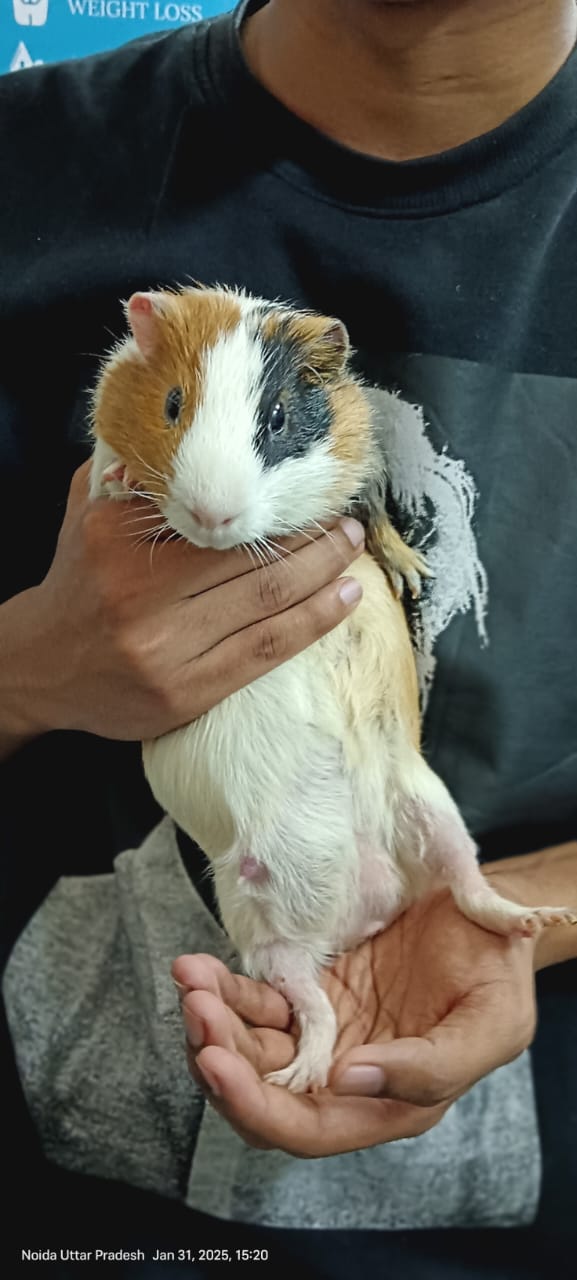


Mammary tumors in guinea pigs are relatively common, especially in females, and can be either benign (non-cancerous) or malignant (cancerous). These tumors arise from the mammary glands, and they are often hormonally influenced, so they tend to be more common in unspayed females, though they can also develop in males.
Causes of Mammary Tumors in Guinea Pigs:
- Hormonal influences: Estrogen and progesterone are thought to play a significant role in the development of mammary tumors. Female guinea pigs that have not been spayed are more likely to develop these tumors due to the hormonal fluctuations that occur during their reproductive cycles.
- Genetics: Some guinea pigs may have a genetic predisposition to develop mammary tumors, especially in certain breeds.
- Age: Older guinea pigs are more likely to develop mammary tumors, as they may have had prolonged exposure to hormones over time.
Signs of Mammary Tumors in Guinea Pigs:
- Lumps or swelling: The most obvious sign of a mammary tumor is the presence of a lump or swelling in the mammary gland area (located along the sides of the body, usually near the chest or abdomen). These lumps may feel firm or soft to the touch.
- Changes in size or shape: Tumors may change in size or shape over time, especially if they grow rapidly.
- Visible skin changes: The skin over the tumor may appear red, irritated, or ulcerated if the tumor is growing large or becoming infected.
- Difficulty walking or moving: If the tumor becomes large, it may interfere with the guinea pig’s mobility or cause discomfort, leading to changes in behavior, such as lethargy or reluctance to move.
- Nipple discharge: In some cases, there may be abnormal discharge from the nipples associated with the tumor.
Diagnosis of Mammary Tumors in Guinea Pigs:
If you notice any of the above signs in your guinea pig, it's important to have them examined by a veterinarian. The vet will typically:
- Perform a physical exam: To feel for lumps or masses in the mammary glands and assess their size, shape, and consistency.
- Imaging tests: In some cases, the vet may perform X-rays or ultrasound to evaluate the extent of the tumor, check for metastasis (spread of the tumor), or identify the presence of fluid-filled cysts versus solid masses.
- Biopsy: A biopsy may be performed to determine whether the tumor is benign or malignant, especially if the tumor is large or showing signs of rapid growth.
Treatment for Mammary Tumors in Guinea Pigs:
The treatment for mammary tumors in guinea pigs depends on the size, location, and type of the tumor. Treatment options include:
Surgical Removal:
- Benign tumors: In many cases, surgical removal is the treatment of choice for benign tumors. Surgery is usually successful in removing the tumor completely and preventing recurrence.
- Malignant tumors: If the tumor is malignant, surgery may still be performed to remove the tumor, but there is a higher risk of recurrence, and additional treatments such as chemotherapy or supportive care may be necessary.
- Multiple tumors: If multiple tumors are present, a more extensive surgery may be required to remove as much tissue as possible. In some cases, the entire mammary gland may be removed.
Surgical risks: As with any surgery, there are risks involved, particularly if the guinea pig is older or has other health issues. Your vet will assess the guinea pig's health and determine if surgery is a safe option.
Spaying (Ovariohysterectomy):
- If the guinea pig has not already been spayed, the vet may recommend spaying her to prevent further hormonal influence on existing tumors or to prevent the development of new tumors. Spaying can help decrease the likelihood of future mammary tumors by removing the ovaries, which are responsible for hormone production.
Post-Surgical Care:
- Pain management: Your vet may prescribe pain medication to help manage discomfort after surgery.
- Wound care: Keeping the surgical site clean and monitoring for any signs of infection is crucial for a successful recovery.
- Follow-up appointments: Regular check-ups after surgery will allow the vet to monitor for any signs of tumor recurrence or complications.
Chemotherapy or Radiation:
- If the tumor is malignant and has spread, chemotherapy or radiation may be considered. However, these treatments are less commonly used in guinea pigs, as they can be hard to tolerate and may not always be effective for smaller animals.
Prognosis:
- Benign tumors: If the tumor is benign and removed successfully, the prognosis is generally very good, with most guinea pigs recovering fully.
- Malignant tumors: Malignant tumors have a higher risk of recurrence, but surgical removal can improve the quality of life, especially if caught early. If the tumor has already spread, the prognosis may depend on how well the guinea pig responds to treatment.
Prevention:
- Spaying: The best way to prevent mammary tumors in female guinea pigs is to have them spayed before they reach reproductive maturity. This eliminates the hormonal influence that contributes to the development of these tumors.
- Regular health checks: Even if a guinea pig is spayed, it's important to have regular veterinary check-ups to monitor for any changes or growths in the mammary glands.
When to See a Vet:
If you notice any swelling, lumps, or changes around your guinea pig's mammary glands, it's important to consult with a veterinarian who has experience with small animals, particularly guinea pigs. Early detection and treatment can make a significant difference in the outcome.
Would you like further information on the process of spaying or surgical options for guinea pigs with mammary tumors? Or perhaps help finding a specialized vet for small animals?