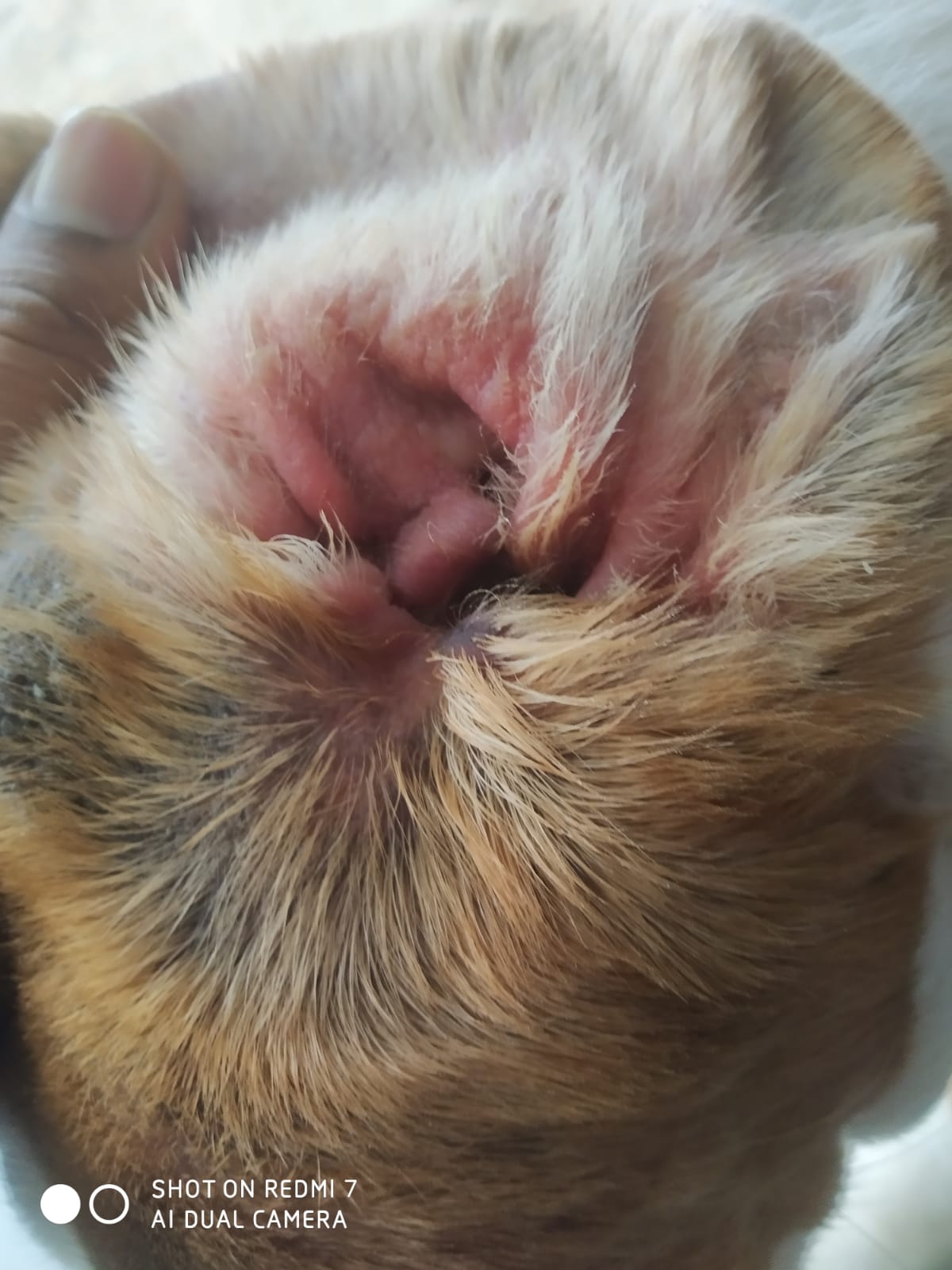


Ear mites in dogs are a common parasitic infection, particularly in puppies and dogs with floppy ears. They are tiny parasites that live inside the ear canal and feed on ear wax, oils, and skin debris. Although ear mites are more common in cats, they can affect dogs as well. They can cause a variety of symptoms, ranging from mild irritation to severe discomfort if left untreated.
What are Ear Mites?
Ear mites are tiny, white or light-colored parasites scientifically known as Otodectes cynotis. They are highly contagious and typically spread through direct contact between infected animals. While ear mites are more commonly found in animals living in close quarters, like shelters or multi-pet households, any dog can contract them if they come into contact with an infected animal.
Symptoms of Ear Mites in Dogs
Ear mites cause a number of symptoms that usually affect the ears but may also lead to general signs of discomfort. Common symptoms include:
Excessive Scratching or Rubbing of the Ears: Dogs with ear mites often scratch or rub their ears on furniture, walls, or the floor to alleviate the irritation caused by the mites.
Dark, Crusty Discharge: A telltale sign of ear mite infection is dark, coffee-ground-like debris inside the ear canal. This is often a mixture of ear wax, dried blood, and mite waste.
Head Shaking: Dogs may shake their heads frequently to try to dislodge the mites or alleviate the discomfort they cause.
Odor from the Ears: An unpleasant smell, often associated with ear infections, can develop as a result of ear mite activity or secondary bacterial infections.
Redness or Inflammation: The inside of the ear may appear red, inflamed, or swollen due to irritation and infection caused by the mites.
Hair Loss Around the Ears: Continuous scratching and rubbing can cause hair loss around the ears and head.
Loss of Balance or Coordination: In severe cases, ear mite infestations can lead to more serious symptoms, such as loss of balance, disorientation, or even vertigo, if the infection spreads deeper into the ear canal.
Diagnosis of Ear Mites
If you suspect your dog has ear mites, it’s essential to consult with a veterinarian for a proper diagnosis. The vet will likely:
- Examine the Ears: They will look inside your dog’s ears to check for signs of mites, infection, or other issues.
- Microscopic Examination: The vet may take a sample of the ear discharge and examine it under a microscope to confirm the presence of ear mites.
- Rule Out Other Conditions: Sometimes ear mites are confused with other ear issues like bacterial infections, yeast infections, or allergies, so your vet will rule out these possibilities.
Treatment of Ear Mites
Ear mites are treatable, but it’s important to follow your vet’s instructions for proper treatment to fully eliminate the infection and prevent recurrence. Treatment usually involves a combination of medications and good ear care.
Topical Medications: Your vet will likely prescribe ear drops or ointments that kill the ear mites and reduce inflammation. Common medications include:
- Selamectin (Revolution)
- Moxidectin (Advantage Multi)
- Ivermectin (for severe cases)
These medications are typically applied to the ear canal directly, but sometimes oral or injectable treatments may be recommended.
Cleaning the Ears: Regular cleaning of your dog's ears is crucial to remove debris and wax that may be harboring mites. Your vet will show you how to safely clean your dog's ears using a gentle, pet-safe ear cleaner. Never insert anything (such as cotton swabs) deep into the ear canal, as this can cause injury.
Treating Secondary Infections: If the ear mites have caused a secondary bacterial or yeast infection, your vet may prescribe antibiotics or antifungal treatments.
Treating All Pets: Since ear mites are contagious, all pets in the household should be treated for ear mites at the same time, even if they are not showing symptoms. This helps prevent reinfestation.
Follow-up Care: After treatment, your vet may schedule a follow-up visit to ensure the mites are gone and that the ear canal is healing properly. Sometimes multiple treatments are necessary, especially if the infection was severe.
Prevention of Ear Mites
While it’s difficult to completely prevent ear mites, there are some steps you can take to reduce the risk:
Regular Ear Checks: Check your dog’s ears regularly, especially if they are prone to ear infections or have floppy ears. Keeping an eye out for changes in the ear’s appearance, odor, or discharge can help you catch any potential issues early.
Keep Ears Clean and Dry: Regularly clean your dog’s ears using a gentle, vet-recommended ear cleaner to remove excess wax or debris that could attract mites or cause infections. Make sure your dog’s ears are dry, as moisture can create an environment for mites and bacteria to thrive.
Limit Exposure to Infected Animals: If possible, avoid contact with animals that have visible signs of ear mites or other ear infections. This is particularly important in multi-pet households or areas like shelters or pet boarding facilities.
Good Hygiene: Wash your dog’s bedding, toys, and other items they come into contact with regularly. This helps eliminate any mites that might be present on surfaces.
Prompt Treatment: If you notice signs of ear mites, act quickly by contacting your vet to prevent the infection from spreading or causing further complications.
Complications of Untreated Ear Mites
If ear mites are left untreated, they can cause a variety of complications:
- Chronic Ear Infections: Untreated ear mites can lead to chronic ear infections, which can cause permanent damage to the ear canal or eardrum.
- Hearing Loss: Prolonged infestations can lead to hearing loss due to damage to the inner structures of the ear.
- Spread of Infection: The infection could spread to other parts of the body, causing additional discomfort and health problems.
Conclusion
Ear mites in dogs are a common but treatable condition. With prompt treatment and proper ear care, most dogs recover fully from ear mite infestations. Regular ear maintenance, a good diet, and maintaining a clean living environment for your dog will go a long way in preventing ear mites and other ear-related issues. If you suspect your dog has ear mites, it’s important to seek veterinary care to ensure proper diagnosis and treatment.