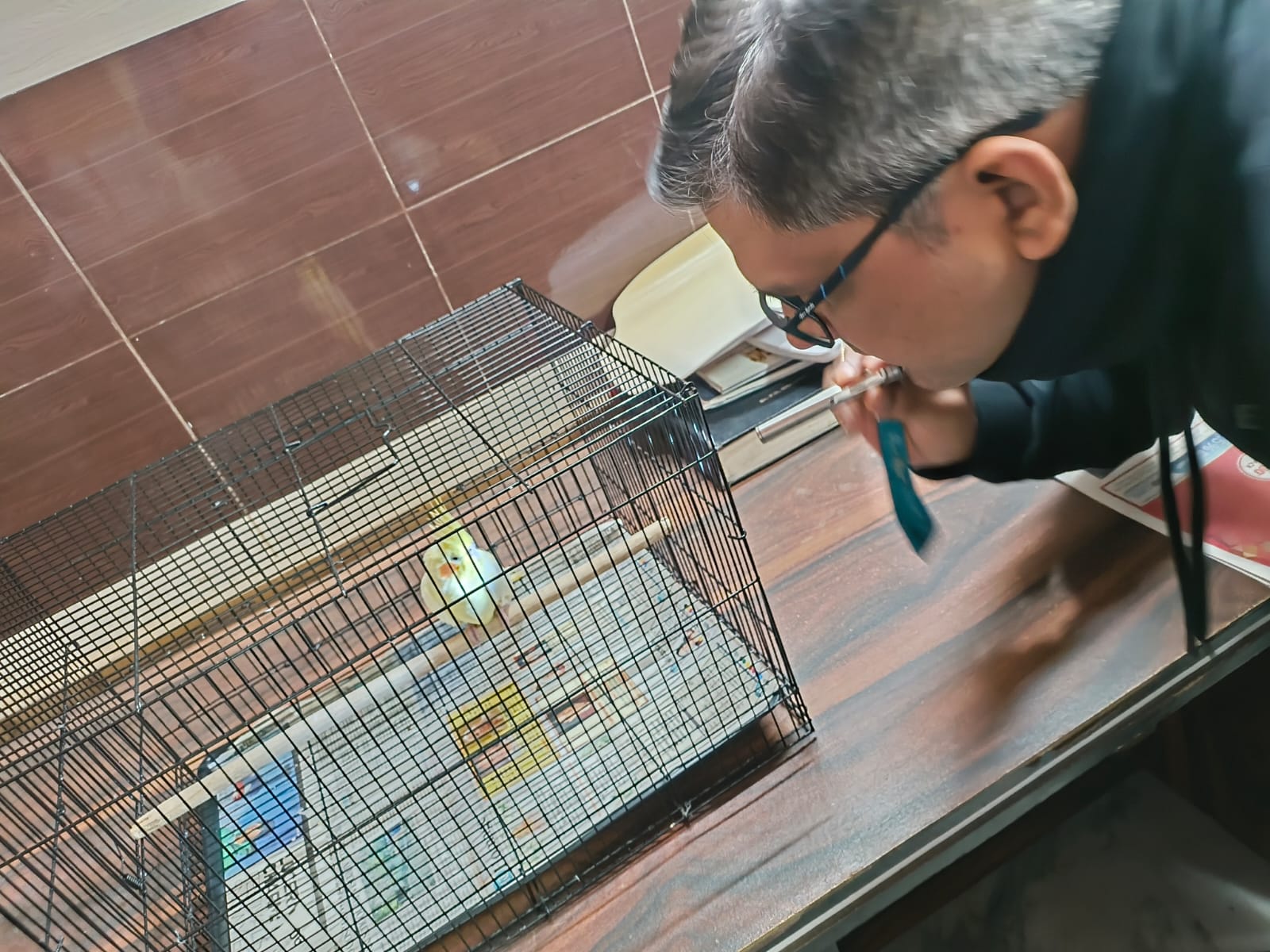


Itching in cockatiels can be caused by a variety of factors, ranging from external parasites to environmental issues. If your cockatiel is constantly scratching, it's important to identify the cause so that you can address the problem properly. Here are some potential causes for itching in cockatiels:
1. External Parasites
- Mites: These tiny parasites can cause severe itching and irritation in birds. There are several types of mites that can affect cockatiels, such as feather mites or scaly leg mites. You might notice scaly, flaky skin on the legs or changes in the texture of the feathers.
- Fleas: Cockatiels can sometimes pick up fleas, especially if they have been in contact with other pets that may have fleas.
- Lice: Feather lice are another possibility. These parasites can irritate the skin, causing itching, feather loss, and discomfort.
What to Do: If you suspect your cockatiel has external parasites, it's important to take them to a veterinarian for diagnosis and treatment. They may need to be treated with medications such as mite or lice treatments.
2. Dry Skin
- Dry Air: Cockatiels are sensitive to dry air, which can lead to dry, flaky skin that causes itching. This is common in environments with low humidity, especially during winter months when indoor heating can make the air dry.
- Bathing Habits: Lack of access to water for bathing or misting can contribute to dry skin, as birds need moisture to keep their skin healthy and hydrated.
What to Do: To help with dry skin, provide your cockatiel with regular baths or mist them with water. Consider using a humidifier to raise the humidity in their environment, especially if the air is very dry. Avoid using water that's too hot or too cold, and use a gentle spray when misting.
3. Allergies
- Food Allergies: Just like humans, birds can develop allergies to certain foods. This can lead to itching or skin irritation. Common allergens for cockatiels may include seeds, nuts, or certain fruits and vegetables.
- Environmental Allergies: Dust, pollen, strong scents (like perfumes or cleaning products), and other allergens can affect your bird’s skin and overall health.
What to Do: If you suspect allergies, try changing your bird's diet or the cleaning products you use around them. If the symptoms persist, consult a vet to determine if an allergy is the cause and discuss possible treatment options.
4. Skin Infections
- Bacterial or Fungal Infections: Cockatiels can develop skin infections from cuts, scrapes, or other injuries that may become infected. These infections can lead to itching, redness, and discomfort.
- Yeast Infections: Yeast infections can also cause itching and may lead to swelling or flaky skin. These are more common in areas with a lot of moisture or if the bird has compromised immunity.
What to Do: If you notice signs of infection, such as redness, swelling, or unusual discharge, it’s best to take your cockatiel to a vet for treatment. Your vet may prescribe antifungal or antibiotic treatments.
5. Molting
- Feather Molt: Cockatiels molt, or shed their old feathers, typically every 6 months. This can lead to increased itching, especially as the new feathers begin to grow in. The process can cause some discomfort, as new feathers (called pin feathers) can be sensitive.
What to Do: If your cockatiel is molting, this is a natural process, and the itching should subside once the feathers grow in fully. You can help by gently massaging their head and neck area to help with the pin feathers and provide them with a regular misting or bathing to keep their skin healthy.
6. Poor Diet
- Nutritional Deficiencies: A poor diet can lead to skin issues and itching. Birds require a balanced diet that includes high-quality pellets, fresh vegetables, and occasional fruits and seeds. Lack of essential fatty acids, vitamins, and minerals can lead to dry, itchy skin.
What to Do: Ensure your cockatiel is getting a well-balanced diet. Consider providing them with a mix of high-quality pellets, fresh fruits, and veggies, and avoid overfeeding seeds. If you're concerned about your bird's diet, a vet can guide you on the best food plan for their health.
7. Overgrown Nails or Beak
- Sometimes, cockatiels may scratch excessively due to discomfort caused by overgrown nails or beaks. These may cause them to scratch at their skin or pull at their feathers to relieve irritation.
What to Do: Regularly check your cockatiel's nails and beak to ensure they are not overgrown. If necessary, take your bird to a vet or an experienced avian groomer to have them trimmed.
8. Stress
- Environmental Stress: Changes in the environment, loud noises, or changes in routine can cause stress in cockatiels, which can sometimes manifest as itching or scratching.
What to Do: Ensure your cockatiel has a calm, quiet, and stable environment. Provide plenty of toys, mental stimulation, and interaction to keep them content.
When to Visit a Veterinarian:
If your cockatiel's itching persists, or if you notice any of the following, it's important to seek veterinary attention:
- Open sores, scabs, or injuries.
- Significant feather loss.
- Behavior changes (e.g., lethargy, loss of appetite).
- Signs of infection (e.g., pus, discharge, or swelling).
- Continuous scratching or discomfort that doesn’t improve.
A veterinarian can help diagnose the underlying cause and provide appropriate treatment, whether it's medications, changes in diet, or adjustments to their environment.