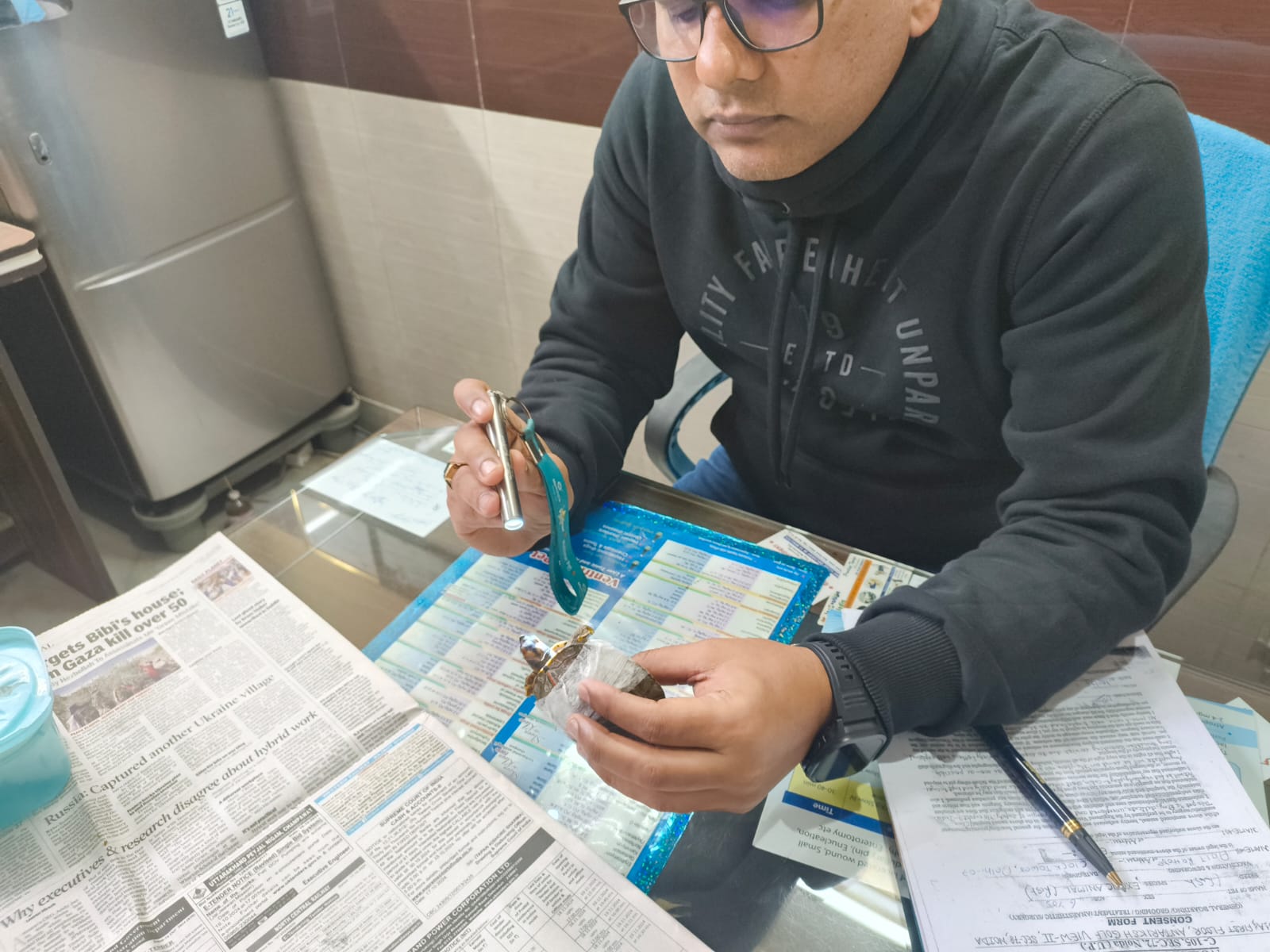


A fracture in a turtle is a serious injury, as their shells are vital to their health and survival. The shell is made of both bone and keratin, which protects the turtle’s internal organs and provides structural support. A fractured shell or bone can be painful and requires immediate care to prevent further injury or complications.
Causes of Fractures in Turtles
- Trauma: Physical impacts, such as being hit by a car, dropped, attacked by other animals, or accidents during handling, can cause fractures to the shell or bones.
- Fights or Bites: Turtles that engage in fights with other animals, especially if they’re territorial, can suffer shell fractures or injuries.
- Improper Habitat: If a turtle’s environment is not secure or has sharp objects, it could lead to injuries. Falls or sharp objects in their enclosures can also result in fractures.
- Predator Attacks: Wild turtles can be attacked by predators, which may cause trauma that results in fractures to the shell or bones.
- Weakness from Malnutrition or Disease: Turtles that are not receiving proper nutrition (e.g., calcium deficiency) may have weak bones, which can be more susceptible to fractures.
Types of Fractures in Turtles
- Shell Fractures: The most common type of fracture in turtles, which can occur on either the carapace (top shell) or plastron (bottom shell). Shell fractures can be open (where the shell is broken through and exposed) or closed (where the shell is cracked but intact).
- Leg or Limb Fractures: These may occur if the turtle falls or if it is injured by another animal.
- Spinal Fractures: In severe cases, trauma can also cause damage to the turtle’s spine, which can be life-threatening.
Signs of a Fracture in a Turtle
- Visible Cracks or Breaks: If you see visible cracks, breaks, or holes in the turtle’s shell, it may have suffered a fracture.
- Swelling or Bruising: Swelling, bruising, or fluid buildup around the injury site could indicate a fracture.
- Difficulty Moving: The turtle may be unable to walk, swim, or move normally, especially if the fracture affects the limbs or spine.
- Bleeding: If the injury has broken through the shell, it may cause bleeding. This is particularly dangerous if there is damage to internal organs.
- Behavior Changes: The turtle may be lethargic, avoiding food, or displaying signs of pain, such as excessive hissing or not wanting to be touched.
What to Do If You Suspect a Fracture
- Stay Calm: A fractured turtle shell is serious but can often be treated successfully with proper care.
- Keep the Turtle Still: Limiting movement is crucial to avoid aggravating the injury. You may need to gently secure the turtle in a safe space, such as a padded box or crate.
- Protect the Turtle: If the injury is fresh and there’s bleeding, try to stop the bleeding by applying light pressure with a clean cloth. Be careful not to cause further damage.
- Do Not Attempt to Fix the Fracture Yourself: Turtle fractures should not be treated at home unless you are a trained professional. Do not try to "pop" the shell back into place or apply any adhesives.
- Get to a Veterinarian: A veterinarian experienced in reptiles or specifically in turtles should evaluate the injury. They will be able to determine the extent of the fracture and the best course of action for treatment.
Treatment Options
- Pain Management: Your vet may administer pain relief and anti-inflammatory medication to help manage the turtle's discomfort and reduce swelling.
- Surgical Repair: In some cases, the fracture may require surgery to properly align the bones and promote healing. This may involve the use of screws, plates, or other devices to stabilize the shell.
- Shell Splints: For fractures that don’t require surgery, a veterinarian may apply a shell splint to keep the shell stable while it heals.
- Antibiotics: If the shell has been punctured or opened, there is a risk of infection. Your vet may prescribe antibiotics to prevent infection.
- Rest and Isolation: The turtle may need to be kept in a quiet, clean area with minimal activity to allow the fracture to heal properly.
- Nutritional Support: A proper diet, especially one rich in calcium, is essential for bone healing. Your vet might recommend specific supplements or foods to support recovery.
Healing and Recovery
- Shell Healing: The shell is a bone structure, so it can heal, but it takes time (several months, depending on the severity). Proper care and following your vet’s advice will help ensure successful recovery.
- Limb Recovery: If a limb is fractured, it may require immobilization or even amputation if the injury is severe.
- Monitoring: Regular vet checkups are important to monitor progress and make sure there are no complications, like infection or improper healing.
Prevention of Fractures
- Safe Habitat: Ensure your turtle’s enclosure is secure and free of hazards that could cause injury.
- Proper Handling: Always handle your turtle carefully and gently. Avoid dropping them or causing unnecessary stress.
- Veterinary Care: Regular checkups with an experienced reptile vet can help spot signs of bone weakness or other health problems that could increase the risk of fractures.
When to Seek Immediate Vet Care:
- If the shell has been punctured or you see visible damage to internal organs (e.g., bulging organs).
- If there is severe bleeding that can’t be stopped.
- If the turtle cannot move or seems to be in severe pain.
Fractures in turtles can be serious, but with prompt and proper care, many turtles can recover fully and return to a normal, healthy life. Always consult NOIDA PETCLINIC with a veterinarian experienced in reptiles for the best course of action.