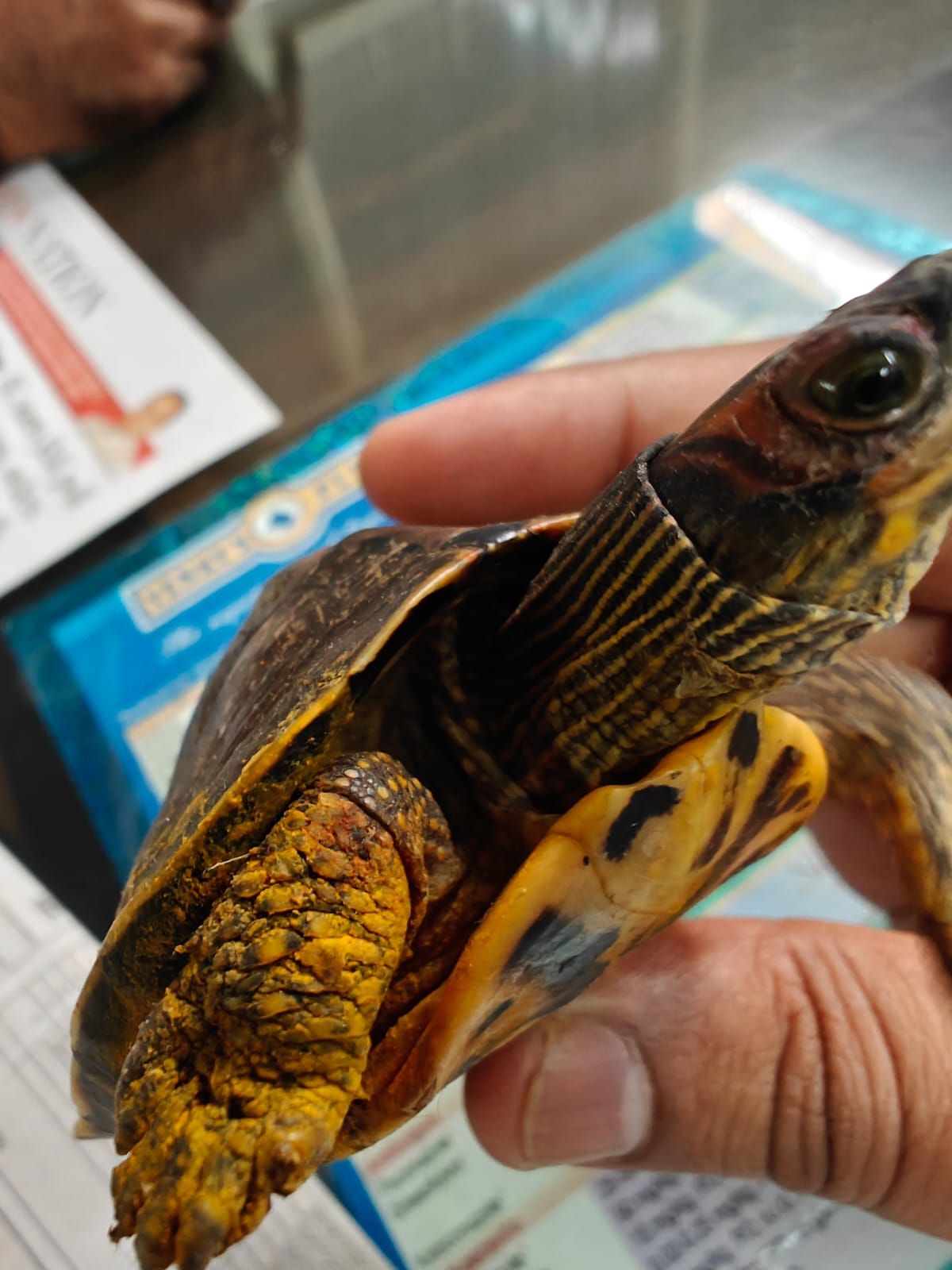


Foot rot in turtles is a common and serious condition that can affect their feet and legs, leading to infection, pain, and if left untreated, more severe health complications. It typically results from poor environmental conditions, such as dirty water, inadequate humidity, or improper habitat care.
Causes of Foot Rot in Turtles:
- Bacterial infections: The most common cause of foot rot is bacterial infection, often caused by Pseudomonas or Aeromonas species. These bacteria thrive in unclean, stagnant water or environments with high levels of waste.
- Poor water quality: Dirty, polluted, or improperly filtered water increases the risk of foot rot, as bacteria proliferate in these environments.
- Injury: A small cut, scrape, or abrasion on the turtle’s foot or leg can become infected if not properly cleaned and treated.
- Poor husbandry: Improper temperature, humidity, or lighting conditions in the turtle’s habitat can weaken its immune system, making it more vulnerable to infections like foot rot.
- Stress or malnutrition: Turtles that are stressed or poorly fed may have weaker immune systems, making them more prone to infections.
Signs of Foot Rot in Turtles:
- Swelling: The affected foot or leg may become swollen due to the infection.
- Redness or discoloration: The skin around the foot may appear red or inflamed, sometimes with dark patches.
- Pus or discharge: You may notice pus, a watery discharge, or even a foul-smelling fluid coming from the wound or infected area.
- Ulceration or lesions: Open sores, blisters, or ulcers can develop on the turtle’s feet or legs.
- Limping or difficulty moving: The turtle may show signs of pain or reluctance to use the affected limb, indicating discomfort or pain in the infected area.
- Foul odor: An unpleasant, rotten smell often accompanies foot rot, especially if the infection is advanced.
Diagnosis of Foot Rot in Turtles:
- Physical exam: A veterinarian will inspect the turtle’s feet and legs to identify signs of swelling, infection, and any visible sores or wounds.
- Culturing bacteria: If necessary, the vet may take a sample of the discharge or tissue to culture for bacteria, helping to identify the exact type of infection causing the foot rot.
- Radiographs (X-rays): If the infection is severe or deep, an X-ray may be taken to assess the extent of the damage to the bone or tissues.
Treatment for Foot Rot in Turtles:
Improving habitat conditions: One of the first steps in treating foot rot is to improve the turtle’s environment. This involves:
- Clean water: Regularly changing the water and using a high-quality water filter to maintain clean and clear water.
- Proper lighting: Ensure that the turtle has access to appropriate UVB light and heating, as poor lighting can weaken the immune system.
- Drying out: Ensure that the turtle has access to a dry basking area where it can warm up, as this helps the immune system fight off infections.
Topical treatments:
- Antibiotic ointments: The vet may prescribe topical antibiotics, such as Neosporin (without pain relief), to apply to the affected foot or leg to help fight the bacterial infection.
- Antiseptic cleaning: The turtle’s foot can be gently cleaned with an antiseptic solution, such as iodine or a diluted Betadine solution, to remove debris and reduce infection risk.
Systemic antibiotics:
- In cases of severe foot rot or widespread infection, oral or injectable antibiotics may be needed. The vet will prescribe the appropriate antibiotics based on the bacteria cultured from the infection.
Surgical intervention:
- If the foot rot has caused significant tissue damage, ulcers, or abscesses, the vet may recommend debridement (removal of dead or infected tissue) to promote healing and prevent the spread of infection.
- In extreme cases where the infection has severely damaged the limb or bone, amputation may be necessary, though this is rare.
Pain management:
- If the turtle is in pain due to the infection, the vet may prescribe pain relief medication.
Preventing Foot Rot in Turtles:
- Maintain water quality: Regularly clean the tank and change the water, and ensure that the filtration system is appropriate for the size of the tank. Dirty water is one of the primary causes of foot rot.
- Provide a proper basking area: Ensure that your turtle has access to a dry area to bask and warm itself. This helps boost its immune system and prevents fungal and bacterial growth.
- Avoid overcrowding: Overcrowding can lead to stress and unsanitary conditions in the tank, making it easier for infections to spread.
- Inspect the turtle regularly: Check your turtle’s feet and overall health frequently. Look for signs of injury, swelling, or infection, and seek immediate treatment if necessary.
- Provide a balanced diet: Feed your turtle a nutritious diet with proper vitamins and minerals, as good nutrition supports immune function.
Prognosis:
- If caught early and treated promptly, most cases of foot rot in turtles can be successfully treated, and the turtle will recover without permanent damage.
- If the infection is severe or left untreated for too long, it can lead to chronic health issues, including tissue damage, loss of function, or, in extreme cases, the need for amputation of the affected limb.
- Prevention is key to avoiding foot rot in the future, so regular cleaning of the turtle’s habitat and providing appropriate care can help maintain the turtle’s health.