


Eye infections in dogs are really common and can range from mild irritation to serious problems that threaten vision, so they’re always worth taking seriously. Here’s a clear, practical guide 👇
At Noida pet clinic eye infections in dogs, cats, rabbit, turtle are managed under Dr. P.D SHARMA guidance and care. Here is some more information about the disease.
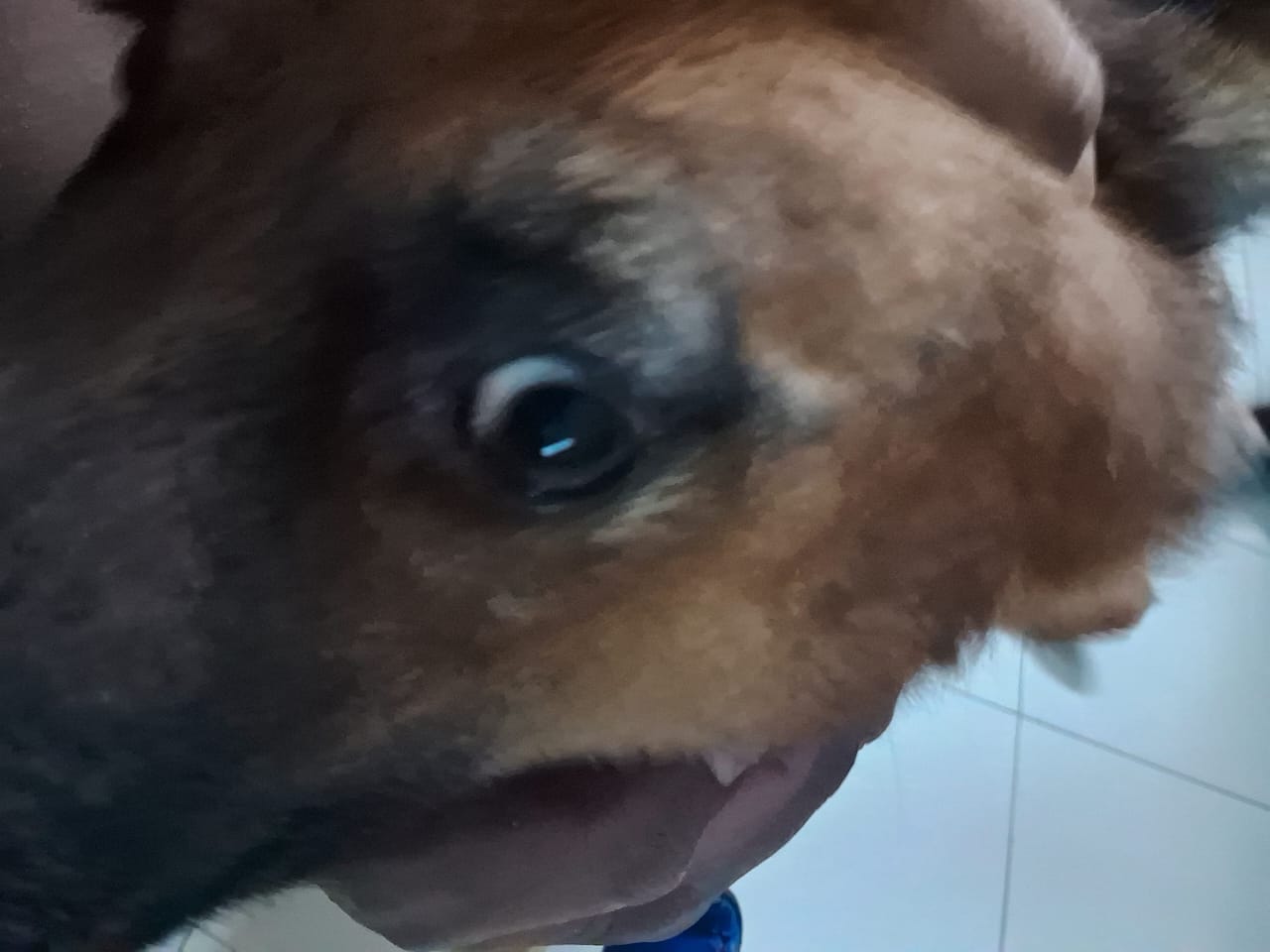
Visit Noida pet clinic for these services pet doctor, dog doctor, cat doctor, rabbit doctor, guinea pig doctor, rat doctor, turtle doctor, pet services , boarding, treatment vaccination, grooming, surgery, free online consultation, offers on services, free antirabies for stray camps, discount on products and medicines.
best discount pet clinic pet hospital pet shop free healthcare insurance services for dog cat bird rabbit guinea pig rat turtle in indirapuram vaishali south delhi gaur city gurgaon greater noida extension near me . Contact 9811716368, 9350129753
👁️ Common Types of Eye Infections
Conjunctivitis (“pink eye”)
Inflammation of the pink tissue around the eye.
Can be bacterial, viral, allergic, or irritant-related (dust, smoke, shampoo).
Keratitis
Infection/inflammation of the cornea (clear surface of the eye).
Can cause ulcers (corneal ulcer) = very painful and urgent.
Uveitis
Inflammation inside the eye.
Often linked to trauma, immune disease, or infections in the body.
Blepharitis
Infection/inflammation of the eyelids.
Secondary infections
Due to trauma, foreign bodies (grass seed, dust), dry eye, or eyelid/eyelash problems.
🔍 Signs of Eye Infection
You might see one or more of these:
Red or bloodshot eye
Squinting, keeping eye partly or fully closed
Excess tearing or thick discharge (yellow/green/white)
Rubbing/pawing at the eye or face
Swelling of eyelids
Cloudy eye or bluish tinge
Visible sore/spot on the cornea
Light sensitivity (dog avoids bright light)
🚨 Emergency red flags:
Sudden eye cloudiness
Dog can’t open the eye
Blood in the eye
Obvious ulcer, scratch, or trauma
These need same-day vet care.
🩺 How Vets Diagnose Eye Infections
Your vet may:
Examine with a light and stain the eye (fluorescein stain) to check for ulcers.
Measure tear production (Schirmer tear test).
Check eye pressure (to rule out glaucoma).
Look under eyelids for foreign bodies.
Take swabs for cytology/culture in chronic cases.
⚕️ Treatment Options
Treatment depends on cause – never use random drops from home.
1. Bacterial infections
Antibiotic eye drops or ointment (several times a day).
Sometimes oral antibiotics if infection is deep or severe.
2. Viral or allergic conjunctivitis
Lubricating/artificial tear drops.
Anti-inflammatory or anti-allergy meds from the vet.
Treat underlying allergy (diet, environment, flea control).
3. Corneal ulcers / keratitis
Antibiotic drops/ointment to prevent infection.
Pain relief.
Sometimes special drops to help healing or surgery in deep ulcers.
No steroid drops if an ulcer is present (they make it worse).
4. Dry Eye (KCS) with infection
Tear-stimulating medicines (e.g. cyclosporine/tacrolimus eye ointment).
Lubricating gel.
Antibiotic drops if infected.
🏠 Home Care (With Vet Guidance)
Gently clean the eye:
Use sterile saline or clean lukewarm water.
Wipe from inner corner outward with cotton or gauze.
New pad for each wipe and each eye.
Prevent scratching:
Use an E-collar (cone) so the dog can’t rub the eye.
Give drops/ointment exactly as prescribed:
Drops first, ointment last if using both.
Wait 5–10 minutes between different medications.
❌ What NOT to Do
Don’t use human eye drops (especially ones “for redness”).
Don’t use old or leftover drops from previous issues.
Don’t delay vet visit if:
Eye is very red/painful
Eye looks cloudy or blue
You see a white/grey spot on the eye
There’s trauma or a cat scratch
🛡️ Prevention Tips
Keep hair around the eyes trimmed (gently, or by groomer).
Avoid letting shampoo/soap get in the eyes during baths.
Protect from dust, smoke, and chemicals.
For brachycephalic breeds (Pug, Shih Tzu, Peke, etc.), check eyes daily – they’re more prone to ulcers and infections.
If you tell me:
Your dog’s breed, age
Which eye(s) is affected
What you see (redness, color of discharge, squinting, etc.)
…I can help you guess whether it’s more likely simple conjunctivitis, ulcer, allergy, or dry eye and what to discuss with your vet.


