


Egg binding (also known as "egg bound") is a serious medical condition in female birds, including parakeets (budgies), where an egg gets stuck in the reproductive tract and cannot be laid. If left untreated, egg binding can lead to life-threatening complications, so it’s crucial to recognize the signs early and seek veterinary care.
Causes of Egg Binding:
Egg binding can occur for various reasons:
- Size or shape of the egg: Sometimes the egg is too large or irregularly shaped for the bird to pass.
- Inadequate calcium: A lack of calcium in the bird’s diet can weaken the muscles of the reproductive tract, making it harder for the bird to lay the egg.
- Obesity: Overweight birds may have difficulty laying eggs due to pressure from excess fat around the reproductive tract.
- Dehydration or stress: Insufficient water intake or stressful environmental conditions can impact the bird’s ability to lay eggs.
- Infection or injury: If there is an infection or injury to the reproductive tract, it may cause the egg to become stuck.
- Too frequent egg-laying: If a bird lays eggs too often, its reproductive system can become overworked and more prone to complications.
Signs and Symptoms of Egg Binding:
Watch for the following signs if you suspect your parakeet may be egg-bound:
- Straining or excessive abdominal pressure: The bird may look like it’s trying to push the egg out but is unsuccessful.
- Lethargy: The bird may become weak, sit hunched, or appear tired.
- Swollen abdomen: The abdomen may look distended or enlarged due to the egg being stuck.
- Decreased appetite: The bird may lose interest in food or drink.
- Fluffed feathers: The bird might appear puffed up, a common sign of illness or discomfort in birds.
- Tail bobbing: If the bird is straining to lay an egg, you may see tail bobbing or abnormal breathing.
Treatment for Egg Binding:
If you notice any of these symptoms, immediate veterinary attention is necessary. Egg binding can be life-threatening if not treated promptly. Depending on the severity and cause of the egg binding, the treatment can vary:
Veterinary Care:
- Physical examination: The vet will perform an exam to check for the presence of an egg and assess its position.
- Manual removal: If the egg is within reach and safe to remove, the vet may gently attempt to extract it.
- Medications: The vet may administer medications to help the bird pass the egg, such as calcium supplements (to strengthen muscles), oxytocin (a hormone that can help the muscles of the reproductive tract contract), or anti-inflammatory drugs to reduce swelling.
- Surgery: In severe cases where the egg cannot be removed manually or if there is damage to the reproductive system, surgery may be necessary to remove the egg.
- Oxygen therapy: If the bird is stressed or in respiratory distress due to prolonged straining, oxygen may be provided.
At-Home Care (Until Vet Visit):
- Provide warmth: Keep your parakeet in a warm, quiet, and stress-free environment. You can use a heating pad (on low) under part of the cage or a heat lamp to maintain warmth.
- Ensure hydration: Make sure the bird has access to fresh water at all times, as dehydration can make egg binding worse.
- Calcium supplementation: If you suspect a calcium deficiency, you can offer calcium-rich foods like dark leafy greens (e.g., kale), crushed eggshells, or calcium supplements (calcium carbonate or calcium gluconate) – but only under the advice of a veterinarian.
- Provide a proper diet: Ensure your parakeet has a balanced diet, including pellets, seeds, and fresh fruits/vegetables, with adequate calcium intake.
Prevention:
Preventing egg binding is often easier than treating it. Some preventive measures include:
- Proper diet: Make sure your bird has a balanced diet rich in calcium, vitamins, and minerals.
- Limit breeding behavior: If you're not breeding your bird, it’s a good idea to remove any potential nesting sites (like nests, boxes, or other places that encourage egg-laying) to discourage hormonal egg-laying.
- Encourage exercise: Ensure your bird has ample space for exercise and activity, as a healthy weight and active lifestyle can reduce the risk of egg-laying issues.
- Monitor for signs of distress: Stress and environmental factors can contribute to egg-laying problems, so keep your bird in a calm and safe environment.
Immediately reach Noida petclinic to 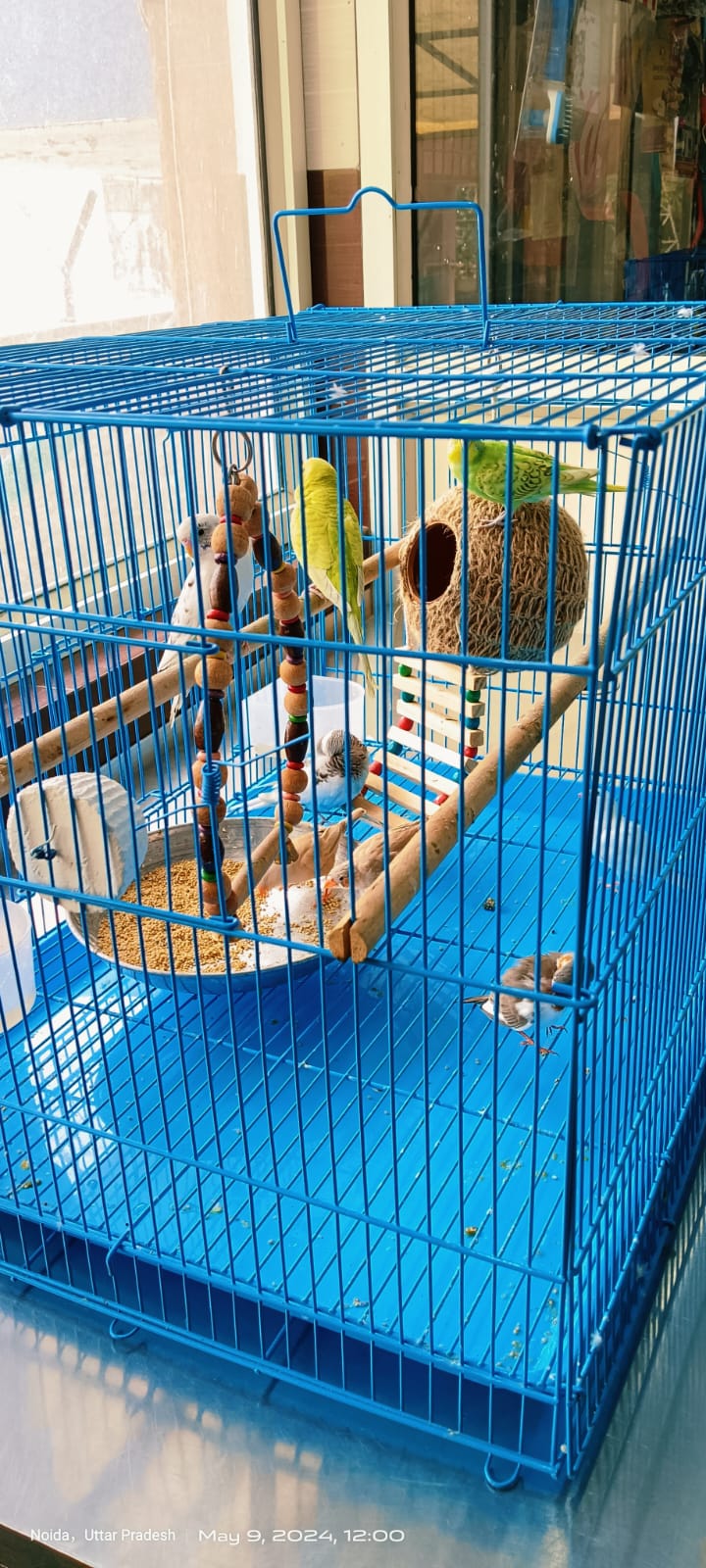 See the Vet:
If your parakeet shows signs of egg binding, it’s important to consult a vet immediately. Do not try to remove the egg yourself, as improper handling can cause harm to the bird.
Egg binding can be a medical emergency, but with prompt veterinary care, many birds can recover fully and go on to live healthy, happy lives.
Would you like more information on managing egg-laying in female parakeets or any other specific concerns regarding their health?


