


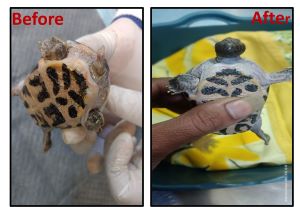
Cloacal Prolapse in Turtles is a condition where the cloaca (the common opening for the digestive, urinary, and reproductive systems) protrudes outside the body. This condition is relatively rare but can be serious, requiring immediate attention from a veterinarian. Prolapse can occur for a variety of reasons, including trauma, infection, or underlying health problems, and it can cause significant discomfort or health issues for the turtle if left untreated.
What is Cloacal Prolapse?
The cloaca is the part of a turtle’s body where the digestive and urinary tracts meet. It is also where eggs are laid in females. In cloacal prolapse, this area of the cloaca turns inside out and protrudes from the turtle's body. It can involve the rectal area, urinary or genital organs, or a combination of these. This can be a medical emergency, as it can result in tissue damage, infection, dehydration, or even death if untreated.
Causes of Cloacal Prolapse in Turtles:
Straining:
- Egg-laying issues (in females): Female turtles may experience prolapse due to straining while laying eggs, especially if they are not able to pass them properly or have not been provided with an appropriate nesting site.
- Constipation or diarrhea: Straining from constipation or other gastrointestinal issues can cause excessive pressure on the cloacal region, leading to prolapse.
Infection or Inflammation:
- Bacterial or fungal infections: Infections of the cloacal region can cause swelling and irritation, which can lead to prolapse.
- Parasitic infections: Worms or other parasites that affect the digestive or urinary systems can cause damage or irritation to the cloaca, contributing to prolapse.
Trauma:
- Physical injury: An injury to the cloacal area, such as from rough handling or accidental injury, can cause the tissues to become inflamed or damaged, leading to prolapse.
Poor Husbandry Conditions:
- Inappropriate humidity or temperature: Turtles kept in suboptimal environmental conditions, such as incorrect temperature or humidity levels, can experience stress or digestive issues that might lead to prolapse.
- Improper diet: A diet lacking in essential nutrients, or one that causes digestive upset (like too much protein or poor-quality food), can contribute to the development of prolapse.
Underlying Health Conditions:
- General weakness or stress: Turtles that are sick, weakened by illness, or under stress may be more prone to prolapse.
- Obesity: Overweight turtles may also be more susceptible to prolapse due to pressure on the cloacal region.
Neurogenic Causes:
- Neurological disorders: In some cases, damage or dysfunction in the nervous system that controls the cloacal muscles may contribute to prolapse.
Symptoms of Cloacal Prolapse in Turtles:
- Visible Protrusion: The most obvious sign is the visible protrusion of the cloaca outside the turtle’s body. It may appear as a pink or red mass, which can sometimes look swollen or inflamed.
- Straining or Difficulty Defecating: The turtle may strain to pass waste, and you may notice difficulty with urination, defecation, or laying eggs (in females).
- Behavioral Changes: Turtles with prolapse may appear lethargic, weak, or more stressed than usual.
- Discharge: There may be blood, mucus, or pus associated with the prolapsed tissue, suggesting possible infection.
- Swelling or Inflammation: The prolapsed cloacal area may become swollen, red, or inflamed. This is a sign that the tissue is under stress or infected.
- Absence of Normal Defecation or Urination: The turtle may be unable to pass waste normally, which can result in discomfort or even more severe complications.
Treatment for Cloacal Prolapse in Turtles:
Cloacal prolapse is considered a medical emergency. If you notice signs of prolapse in your turtle, immediate veterinary attention is required. The treatment will depend on the underlying cause of the prolapse.
Initial Stabilization:
- If the turtle is dehydrated or stressed, the vet will likely start by stabilizing the animal with fluids (IV or subcutaneous) to ensure the turtle is not in a state of shock.
- The veterinarian may also attempt to gently replace the prolapsed tissue back inside the cloaca, making sure the tissue is properly lubricated to avoid further injury. In some cases, this may need to be done under sedation or anesthesia to minimize stress.
Treatment of Infection:
- If infection is suspected, antibiotics (or antifungal medications, if necessary) will be prescribed to treat the infection.
- The turtle may need to stay in the hospital for observation and treatment until the infection is under control.
Surgical Intervention:
- In severe cases or if the prolapse does not resolve with conservative treatment, surgery may be required. This could involve stitching the cloacal region or addressing underlying problems, such as removing foreign objects, tumors, or damaged tissue.
- The veterinarian may also perform a cloacal surgery if the prolapsed area has been damaged or if there is tissue necrosis (dead tissue).
Dietary and Environmental Adjustments:
- Proper Diet: If constipation or straining is the underlying cause, a change in diet may be necessary. A diet rich in fiber (such as leafy greens and high-quality turtle food) can help prevent constipation.
- Hydration: Ensuring that the turtle is properly hydrated and has access to fresh water can reduce strain on the cloacal area.
- Proper Habitat Conditions: Maintaining the correct temperature and humidity levels in the turtle's habitat can reduce stress and prevent digestive issues. A proper basking area and UV light are essential for overall health.
- Egg-Laying Assistance (in females): If egg-laying is the cause, ensuring that the turtle has a suitable nesting area is essential to reduce straining. If eggs are stuck, the veterinarian may assist with egg removal.
Post-Operative Care and Follow-Up:
- After surgery or treatment, the turtle will need to be monitored closely for complications. Follow-up visits to the vet are essential to ensure proper healing.
- If the prolapse was caused by straining or egg-laying issues, ongoing monitoring of the turtle’s habitat and diet is crucial to prevent recurrence.
Prevention of Cloacal Prolapse in Turtles:
- Proper Diet: Feed your turtle a balanced diet rich in fiber, with appropriate amounts of protein, and avoid overfeeding.
- Environmental Conditions: Maintain proper temperature, humidity, and basking areas in the turtle's enclosure. A consistent environment helps reduce stress and supports healthy digestion.
- Regular Veterinary Checkups: Routine visits to the vet can help detect early signs of problems that could lead to prolapse.
- Assistance with Egg Laying (in females): Provide a proper nesting area for female turtles to ensure they can lay eggs without stress. Monitor for signs of egg retention or difficulty in laying.
- Proper Handling: Avoid rough handling that could cause injury to the cloacal area. Be gentle when interacting with your turtle.
Conclusion:
Cloacal prolapse in turtles is a potentially serious condition that requires prompt attention and treatment. It can result from various causes such as straining, infections, trauma, or improper husbandry. If you notice any signs of prolapse, take your turtle to a veterinarian immediately for evaluation and treatment. Early intervention increases the chances of a full recovery and helps prevent further complications.


