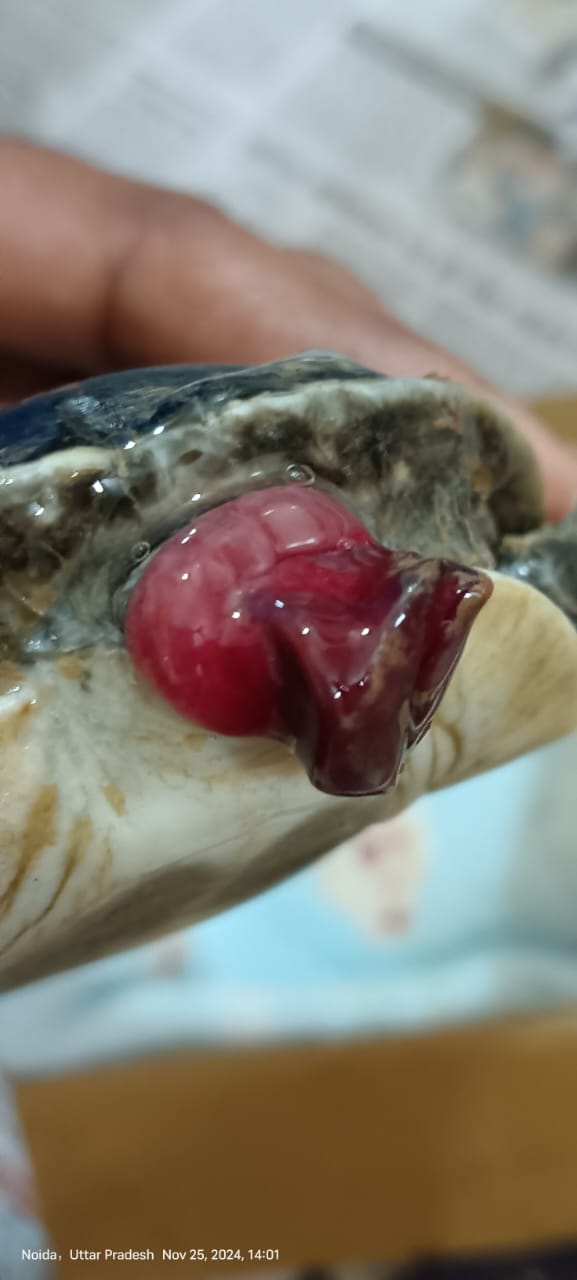


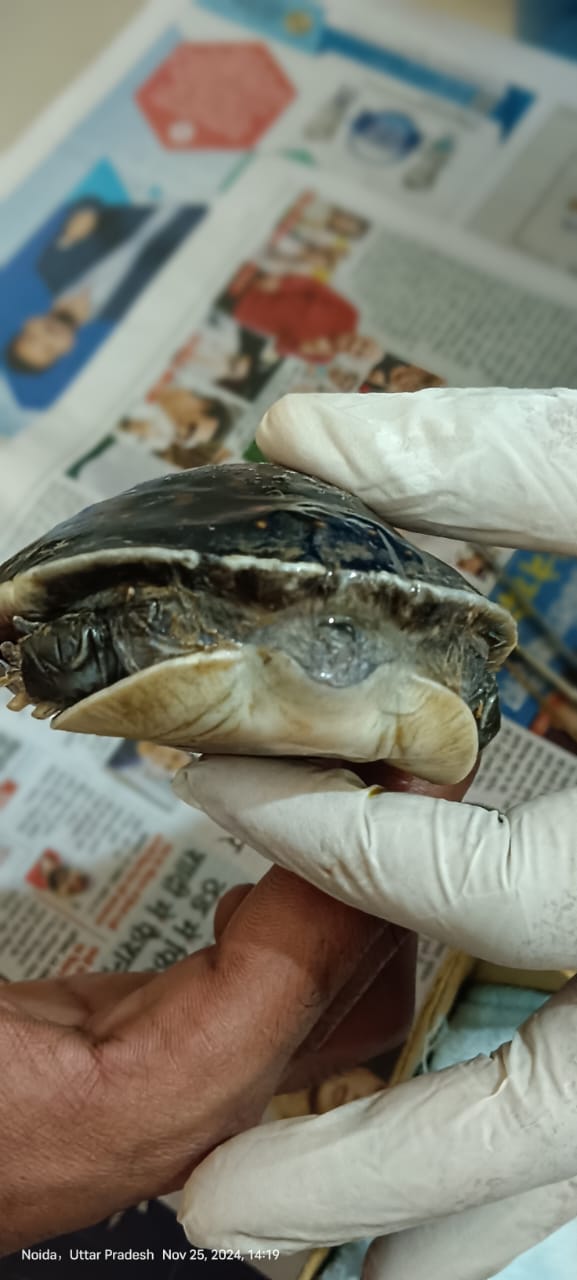
Cloacal Prolapse in turtles is a condition in which the cloaca, the common opening for the digestive, urinary, and reproductive tracts, protrudes from the body. This is a serious medical issue that requires immediate attention. Cloacal prolapse can occur in both male and female turtles, though it is more commonly seen in females, especially during or after egg-laying.
Causes of Cloacal Prolapse in Turtles
Egg-Laying Issues: In female turtles, the most common cause of cloacal prolapse is the difficulty in laying eggs. If the turtle has trouble passing eggs or has retained eggs in the reproductive tract, this can cause increased pressure in the cloacal area, leading to prolapse.
Constipation or Diarrhea: Severe constipation or chronic diarrhea can cause increased straining, which can result in the prolapse of the cloaca.
Infections or Inflammation: Infections or inflammations of the cloaca (including bacterial or fungal infections) can lead to swelling and may cause the cloaca to prolapse.
Trauma or Injury: Any physical injury or trauma to the cloacal area, such as from rough handling or accidents, can lead to prolapse.
Poor Diet or Dehydration: A diet that’s inadequate in fiber or hydration can cause digestive issues like constipation, which can contribute to prolapse.
Parasitic Infections: Internal parasites, particularly those that affect the digestive system, can cause digestive disturbances and lead to prolapse due to excessive straining.
Genetic or Anatomical Issues: Some turtles may be more predisposed to cloacal prolapse due to congenital or anatomical factors, such as abnormal cloacal structure.
Symptoms of Cloacal Prolapse
- Protruding Cloaca: The most obvious sign is the visible protrusion of the cloacal tissue from the turtle's body. The tissue may appear swollen, red, or inflamed.
- Straining: The turtle may exhibit signs of straining, discomfort, or difficulty passing waste.
- Changes in Behavior: Your turtle may become lethargic or show signs of distress due to the discomfort caused by the prolapse.
- Blood or Discharge: You might notice blood or mucus in the cloacal tissue or on the turtle’s shell.
- Difficulty in Movement: The prolapsed cloaca may affect the turtle's ability to move properly, as it may be painful or uncomfortable.
Diagnosis of Cloacal Prolapse
A veterinarian specializing in reptiles will perform a thorough physical examination of the turtle. This typically includes:
- Visual Examination: The vet will assess the appearance of the cloacal tissue, checking for any signs of infection, trauma, or foreign material.
- Palpation: The vet may gently palpate the abdominal area to check for signs of retained eggs, constipation, or other issues that might be causing the prolapse.
- Ultrasound or X-rays: These imaging techniques can help identify internal problems like retained eggs or other underlying issues.
- Fecal Examination: To check for parasitic infections that might be contributing to the prolapse.
Treatment of Cloacal Prolapse
Cloacal prolapse requires immediate veterinary care. Treatment depends on the severity of the prolapse and the underlying cause.
Manual Reduction: If the prolapse is recent and the tissue is not damaged, the veterinarian may attempt to gently push the cloacal tissue back into place. This process must be done with care to avoid injury.
Surgical Intervention: In more severe cases, or if manual reduction is not successful, surgery may be necessary to repair the prolapse and prevent further issues.
Treatment of Underlying Causes:
- Egg Retention: If the prolapse is due to retained eggs, the vet may need to assist with egg laying or remove the eggs manually. Calcium supplements or injections may also be used to help the turtle pass the eggs.
- Constipation: If constipation is the issue, the vet may recommend dietary changes, hydration, or the use of laxatives to help the turtle pass waste more easily.
- Infections: If the prolapse is caused by an infection, antibiotics or antifungal medications will be prescribed to treat the infection.
Supportive Care:
- Hydration: Dehydration can worsen the condition, so ensuring the turtle is properly hydrated is crucial. This may involve soaking the turtle in warm water or administering fluids through injection.
- Pain Management: Pain relief medications may be prescribed to help with discomfort.
Preventive Care:
- Dietary Adjustments: A proper diet with sufficient fiber and hydration is essential for preventing constipation and digestive issues. Fresh vegetables, leafy greens, and appropriate protein sources should be included.
- Environmental Adjustments: Make sure the turtle's enclosure is clean, and that it has access to proper UVB lighting for digestion and calcium absorption.
- Parasite Control: Regular deworming or parasite control treatments may be recommended to prevent infections that could contribute to prolapse.
Prognosis
The prognosis for a turtle with a cloacal prolapse depends on the underlying cause, the severity of the prolapse, and how quickly treatment is provided. With prompt veterinary intervention, many turtles can recover fully. However, if the prolapse is not treated in time, it can lead to more severe complications like tissue damage, infection, and even death.
Prevention of Cloacal Prolapse
While not all causes of cloacal prolapse can be prevented, you can reduce the risk by:
- Providing a Balanced Diet: Ensure your turtle gets a well-rounded, fiber-rich diet to prevent constipation and digestive issues.
- Hydration: Make sure your turtle is always properly hydrated, especially if it’s a species that requires frequent access to water.
- Proper Egg-Laying Conditions: Female turtles that are prone to laying eggs should have access to appropriate nesting sites to help them lay eggs naturally. If you notice signs of egg retention, seek veterinary help immediately.
- Regular Health Checkups: Regular visits to a reptile veterinarian can help identify any underlying issues before they develop into serious problems.
Conclusion
Cloacal prolapse in turtles is a serious condition that can have significant consequences if left untreated. If you suspect your turtle is experiencing this issue, it is essential to seek veterinary care immediately. Prompt and appropriate treatment can help your turtle recover and prevent long-term complications.