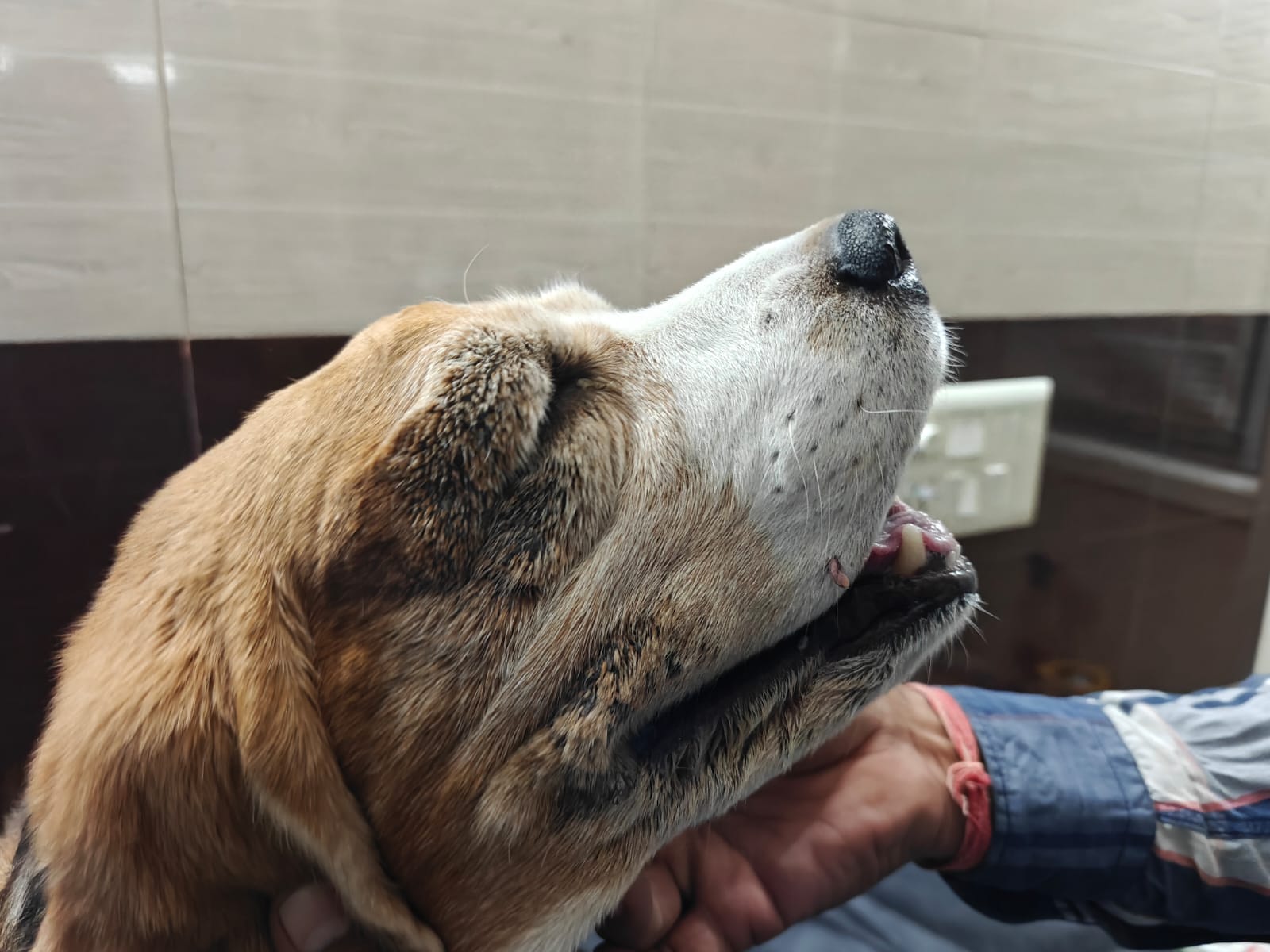


Atopic dermatitis is a common and chronic skin condition in dogs, including Beagles, that causes inflammation, itching, and discomfort due to an allergic reaction. Beagles, like many other breeds, are prone to atopic dermatitis, which is often triggered by environmental allergens, such as pollen, dust mites, mold, and certain foods.
Causes of Atopic Dermatitis in Beagles:
- Environmental Allergens: Pollens from trees, grasses, or weeds, dust mites, mold, and other airborne allergens are common triggers.
- Food Allergies: Beagles can develop food sensitivities or allergies to ingredients like beef, chicken, dairy, or grains, which can worsen skin conditions.
- Flea Allergy Dermatitis: Some Beagles may have an allergic reaction to flea saliva, leading to intense itching and inflammation, especially around the base of the tail and hind legs.
- Genetics: Atopic dermatitis is often inherited, meaning Beagles with a family history of allergies or skin conditions are more likely to develop it.
- Immune System Dysfunction: In some cases, the dog’s immune system overreacts to harmless substances, leading to inflammation and skin issues.
Signs and Symptoms of Atopic Dermatitis in Beagles:
- Excessive itching (pruritus): This is the hallmark symptom of atopic dermatitis. Beagles may scratch, bite, or lick their skin excessively, especially in areas like the face, ears, paws, and belly.
- Red, inflamed skin: The affected areas may appear red, irritated, and inflamed, with thickened or scaly skin in chronic cases.
- Hot spots: These are localized areas of intense inflammation, often caused by excessive scratching or licking, which can become infected.
- Ear infections: Beagles are prone to ear infections, and atopic dermatitis can cause recurring or chronic ear problems, with symptoms like discharge, odor, and head shaking.
- Hair loss: Over time, persistent scratching and rubbing may lead to bald patches or thinning fur.
- Discharge or crusting: Affected areas may produce discharge or crusts, particularly in the folds of the skin or between the paws.
- Licking or chewing paws: Beagles with atopic dermatitis may frequently lick, chew, or suck on their paws to alleviate discomfort.
Diagnosis of Atopic Dermatitis in Beagles:
A veterinarian will diagnose atopic dermatitis based on a combination of:
- Physical examination: The vet will examine your Beagle’s skin, coat, and ears for signs of irritation, inflammation, and infection.
- Medical history: The vet will ask about the dog’s history of allergies, previous skin conditions, and any potential environmental or food triggers.
- Allergy testing: In some cases, the vet may recommend allergy testing to identify specific environmental or food allergens. This can help pinpoint the exact cause of the dermatitis and guide treatment.
- Skin scraping: To rule out other conditions, such as mange or fungal infections, the vet may perform a skin scraping.
- Flea control check: The vet may check for signs of fleas, as flea allergy dermatitis can be mistaken for atopic dermatitis.
Treatment for Atopic Dermatitis in Beagles:
Medications:
- Antihistamines: These can help manage mild itching and reduce allergic reactions.
- Steroids (corticosteroids): Oral or topical steroids can provide relief for severe itching and inflammation, though they are usually recommended for short-term use due to potential side effects with long-term use.
- Cytopoint or Apoquel: These newer medications are designed specifically for managing itching due to allergies and can provide more targeted relief with fewer side effects than steroids.
- Antibiotics: If secondary bacterial infections (hot spots) develop due to scratching, antibiotics may be prescribed.
- Antifungals: If the skin becomes infected with fungi (e.g., ringworm), antifungal treatments may be required.
Topical Treatments:
- Medicated shampoos: Regular bathing with soothing, hypoallergenic shampoos containing oatmeal or aloe can help alleviate itching and inflammation. Shampoos with anti-fungal or anti-bacterial properties can also help manage infections.
- Topical ointments or sprays: Corticosteroid creams or ointments may be prescribed to reduce localized inflammation and itching.
- Moisturizing products: Using moisturizing sprays or balms can help soothe dry, cracked skin and restore the skin’s barrier.
Allergen Avoidance:
- Environmental allergens: Minimizing exposure to known environmental allergens can help manage the condition. This might include keeping your Beagle indoors during peak pollen seasons, using air purifiers, and washing bedding and toys regularly.
- Flea control: Ensuring your Beagle is on a year-round flea prevention program will help manage flea allergies.
- Dietary changes: If food allergies are suspected, an elimination diet may be recommended. This involves feeding your Beagle a special diet that contains novel proteins (such as duck or venison) and gradually reintroducing potential allergens to identify the specific food triggers.
Immunotherapy (Allergy Shots):
- For dogs with severe or chronic atopic dermatitis, immunotherapy (allergy shots) may be an option. These injections contain small amounts of allergens, and the goal is to gradually desensitize the immune system to the allergens over time. It can take several months to see improvement.
Supplements:
- Omega-3 fatty acids: Supplements containing omega-3s (e.g., fish oil) can help reduce inflammation and improve the overall health of the skin.
- Probiotics: In some cases, probiotics may help balance the gut flora, which can support the immune system and reduce allergic reactions.
Managing Atopic Dermatitis in Beagles:
- Consistent care: Atopic dermatitis is a chronic condition, and regular veterinary visits are essential to manage flare-ups and adjust treatments as needed.
- Environmental management: Keeping your Beagle’s living environment clean and reducing exposure to allergens (dust mites, pollen, mold) can greatly improve their comfort and quality of life.
- Daily routine: Regular bathing with hypoallergenic shampoos and consistent flea control are key components of a good management plan.
Prognosis:
Atopic dermatitis in Beagles can be managed effectively with proper treatment, though it is often a lifelong condition. With good care and management, many dogs can live comfortable lives despite having atopic dermatitis. However, flare-ups may occur, especially during allergy seasons or if exposed to triggers.
Would you like more details about a specific treatment option for your Beagle, or tips on managing allergies in their environment? Let me know!