

SOFT SHELLS IN TURTLES AT NOIDA PET CLINIC
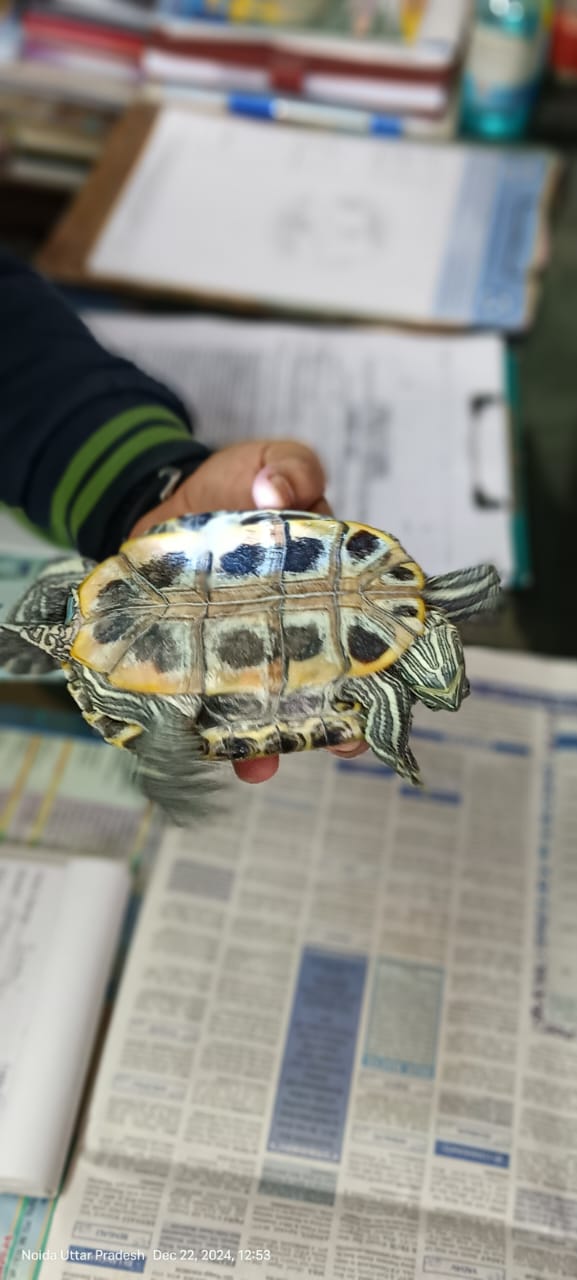
Soft shell in turtles refers to a condition where a turtle's shell becomes softer than usual, making it more prone to injury. It can also refer to the condition of certain species of turtles, particularly those with naturally softer shells, but it is also a medical issue that can affect turtles.
Causes of Soft Shell in Turtles
- Calcium Deficiency: Turtles need calcium for shell development. A lack of calcium in their diet can lead to softening of the shell. This is one of the most common causes.
- Vitamin D3 Deficiency: Vitamin D3 helps turtles absorb calcium. Without adequate exposure to UVB light or supplementation, they may have difficulty metabolizing calcium, leading to a soft shell.
- Improper Diet: Feeding turtles an improper or unbalanced diet can contribute to soft shell issues. Too much protein and too little calcium or vegetables can cause health problems.
- Low Temperatures: If a turtle's habitat is too cold, it can affect their metabolism and calcium absorption, leading to a soft shell.
- Shell Rot or Infection: Bacterial or fungal infections can cause the shell to soften or become damaged.
- Dehydration: Insufficient water intake or a dry environment can contribute to softening of the shell.
Symptoms of Soft Shell in Turtles
- Softness: The shell may feel soft to the touch, particularly around the edges.
- Abnormal Shape: The shell might be misshapen, with noticeable dents or soft spots.
- Difficulty Swimming or Moving: A soft shell can affect the turtle’s buoyancy and ability to move properly.
- Discoloration: The shell may show discoloration or develop a more dull appearance.
- Lethargy: The turtle might be more sluggish or spend more time hiding.
Treatment and Prevention
- Calcium Supplementation: Provide a calcium supplement, either in the form of a powdered calcium supplement or through calcium-rich foods (e.g., dark leafy greens, cuttlebone).
- UVB Lighting: Ensure the turtle has access to proper UVB lighting to help with the synthesis of Vitamin D3. This is especially important if the turtle is kept indoors.
- Proper Diet: Feed a balanced diet that includes a variety of leafy greens, vegetables, and appropriate proteins. Avoid feeding excessive amounts of high-protein foods like fish, as this can upset their nutritional balance.
- Proper Temperature: Make sure the turtle's habitat is at the correct temperature range for its species. This helps with metabolism and overall health.
- Hydration: Ensure your turtle has constant access to clean, fresh water, as dehydration can lead to shell problems.
- Veterinary Care: If a turtle’s shell is already soft, it’s important to consult a vet. They may recommend specific treatments, including the application of antibiotics if there is an infection, or adjusting the turtle’s diet and habitat to support shell recovery.
In Severe Cases
If the condition is severe or due to infection (like shell rot), professional veterinary intervention is crucial to prevent further damage and complications.
Prevention through proper diet, UVB exposure, and environmental care is key to ensuring your turtle’s shell stays healthy and strong.