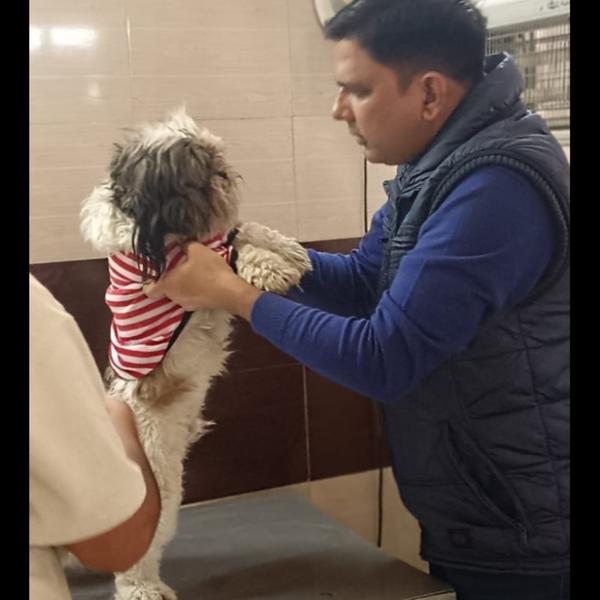


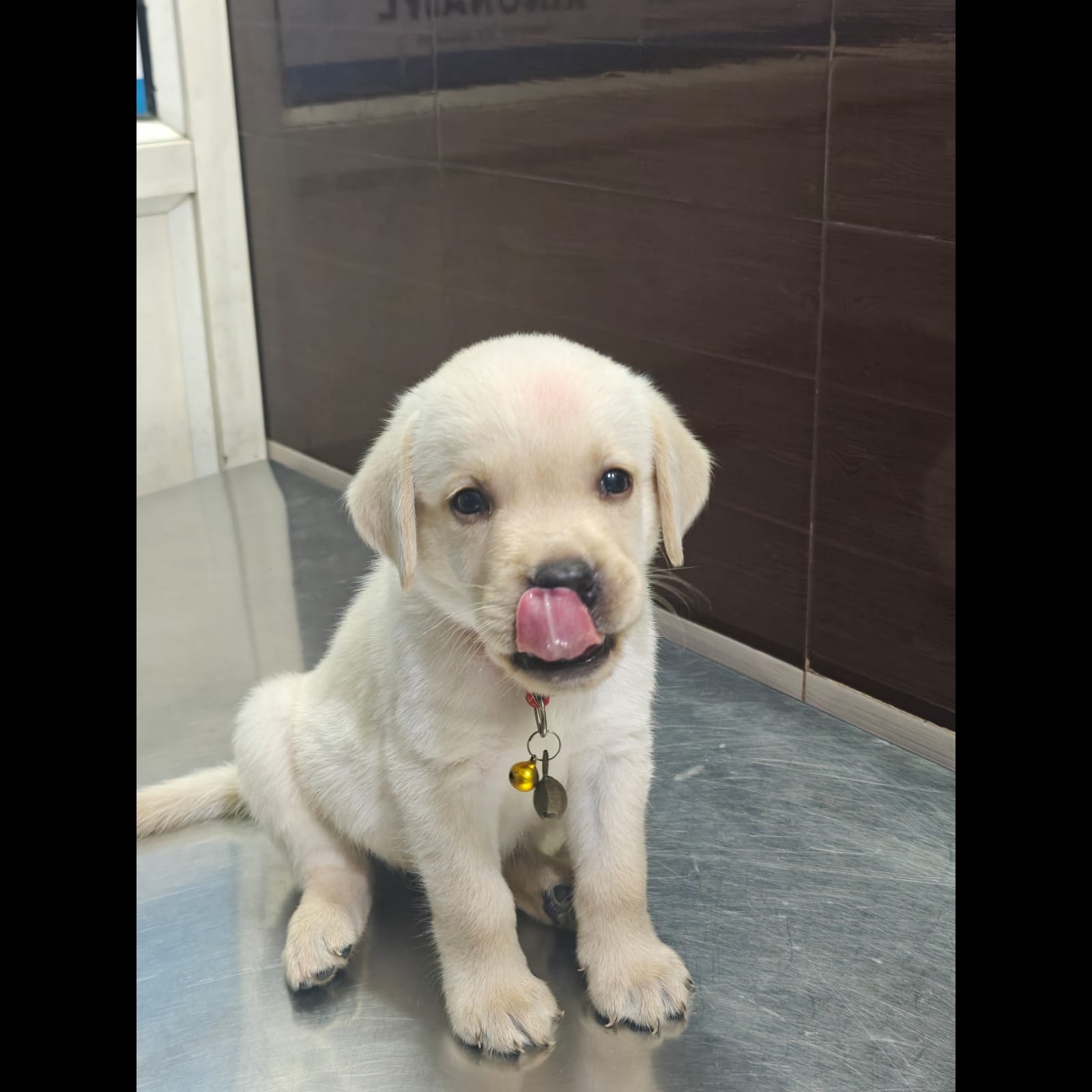
Caring for a puppy is a joyful but important responsibility that lays the foundation for a healthy and well-behaved adult dog. Here's a complete guide covering all the key areas of puppy care, especially in the first 6 months of life:
🐶 Puppy Care Essentials
🍼 1. Nutrition
- 0–4 weeks: Puppies nurse from their mother. Orphaned pups need puppy milk replacer (not cow’s milk).
- 4–8 weeks: Begin weaning with a gruel of puppy food and milk replacer.
- 8+ weeks: Transition to high-quality puppy food (wet or dry) formulated for growth.
- Feed 3–4 small meals/day until 6 months old, then reduce to 2 meals/day.
✅ Ensure clean drinking water is always available.
💉 2. Vaccinations
Start at 6 weeks of age, typically with:
Age Vaccine 6 weeks DHPP (Distemper, Hepatitis, Parvovirus, Parainfluenza) 9 weeks DHPP booster 12 weeks DHPP + optional vaccines (Leptospirosis, Corona, Kennel Cough) 14–16 weeks DHPP booster + Rabies Annually Boosters as advised by vet 🧼 3. Deworming & Parasite Control
- Start at 2 weeks of age, then every 2 weeks until 12 weeks, then monthly until 6 months.
- Use vet-prescribed broad-spectrum dewormers (e.g., pyrantel, fenbendazole).
- Flea/tick prevention (topical or oral) may begin around 8 weeks depending on product.
🛁 4. Hygiene
- Bathe once every 2–4 weeks with puppy-safe shampoo (not adult or human shampoos).
- Brush the coat regularly, especially for long-haired breeds.
- Clean ears weekly with vet-approved solution.
- Trim nails regularly (every 2–4 weeks).
🐾 5. Training & Socialization
- Start basic obedience by 8–10 weeks: sit, stay, come, leash walking.
- Use positive reinforcement (treats, praise).
- Begin toilet training with regular potty breaks and crate training.
- Socialize with other dogs, people, and environments to prevent fear/aggression.
🛏️ 6. Shelter and Comfort
- Provide a warm, soft bed in a quiet, safe spot.
- Avoid exposure to cold, heat, or drafts.
- Create a consistent routine for feeding, play, and sleep.
🧠 7. Mental & Physical Stimulation
- Provide age-appropriate toys (chew toys, puzzle feeders).
- Playtime helps bonding and reduces anxiety or destructive behavior.
- Short walks and supervised outdoor time after vaccinations are completed.
⚖️ 8. Vet Visits
- Regular checkups at vaccination times.
- Discuss spaying/neutering around 6–9 months of age.
- Monitor weight, appetite, and behavior for early signs of illness.
🚫 Warning Signs to Watch
Contact your vet if your puppy shows:
- Diarrhea or vomiting
- Refusal to eat or drink
- Coughing, sneezing, or nasal discharge
- Lethargy or weakness
- Swollen abdomen or pain