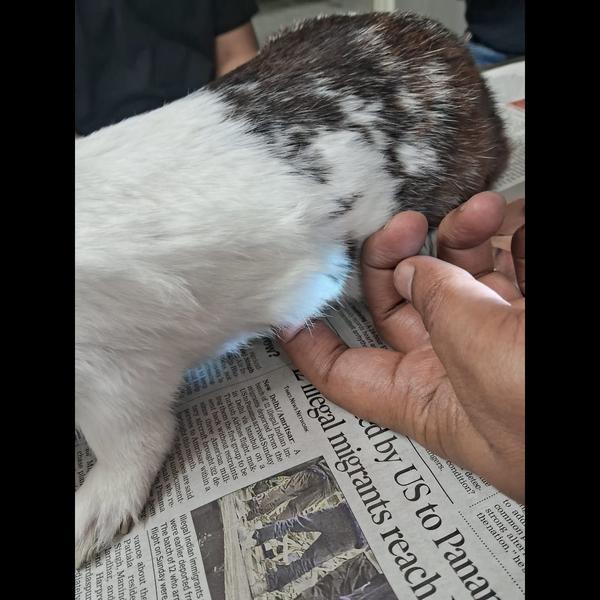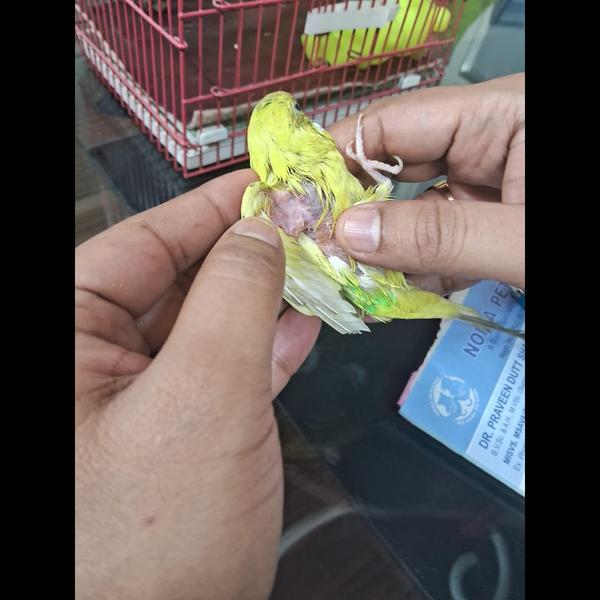


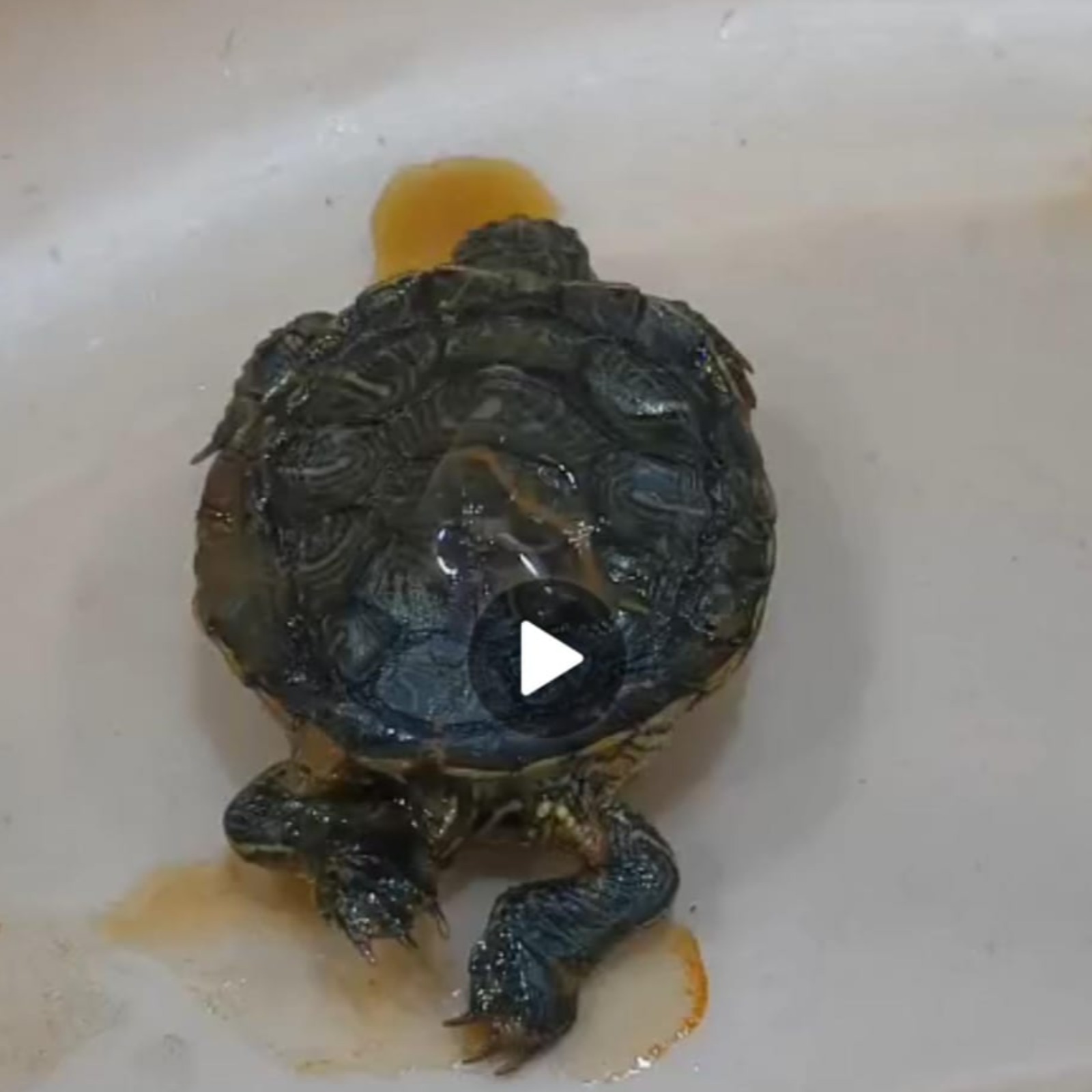
At Noida pet clinic turtle was presented with post paralysis and managed under Dr. P.D SHARMA guidance and care. Here is some more information about the disease.
Post-Paralysis in Turtles (Tortoises & Aquatic Species) 🐢
Paralysis or partial paralysis in turtles is a serious neurological or systemic condition that can affect movement of the limbs, neck, or tail — sometimes persisting even after initial illness or trauma has resolved.
“Post-paralysis” means the turtle has survived an initial injury or illness but is still weak or immobile in part of the body.
🧠 Common Causes of Paralysis in Turtles
Paralysis can be partial (hindlimbs or forelimbs only) or complete, depending on the cause.
🔹 1. Spinal or Nerve Injury
- Trauma from falls, predator attacks, vehicle accidents
- Compression due to shell fracture or spinal damage
- Vertebral luxation or dislocation
- 🩺 Post-paralysis cause: nerve regeneration is slow or incomplete after the initial trauma.
🔹 2. Nutritional Deficiency
- Vitamin B1 (Thiamine) or Vitamin D3/calcium imbalance
- Often from an all-meat or fish-only diet
- 🩺 Causes muscle weakness and nerve dysfunction.
🔹 3. Metabolic Bone Disease (MBD)
- Caused by low calcium, low UVB exposure, or excess phosphorus
- Leads to soft shell, spinal deformities, and nerve compression
- 🩺 Post-paralysis may remain if the spinal cord was compressed.
🔹 4. Renal (Kidney) Disease
- Common in older turtles or those fed high-protein diets
- Enlarged kidneys press against the spinal nerves → hindlimb paralysis
- 🩺 Even after kidney function improves, pressure damage to nerves may persist.
🔹 5. Infections / Abscess / Tumor
- Abscess near spine or pelvic area
- Spinal or brain infection (bacterial or viral)
- Tumors pressing on spinal cord
- 🩺 Damage from pressure or inflammation can cause long-term paralysis.
🔹 6. Toxin Exposure
- Heavy metals, pesticides, or spoiled food can cause neuromuscular toxicity
⚠️ Clinical Signs
- Partial or complete loss of limb movement (hindlimbs common)
- Inability to swim or walk properly
- Dragging limbs
- Difficulty surfacing for air (in aquatic turtles)
- Loss of tail tone or cloacal control
- Retained feces or urates (if spinal nerves affected)
🧪 Diagnosis
Performed by an experienced reptile veterinarian:
- Physical & Neurological exam
- X-rays / CT scan – to assess spinal damage or shell fracture
- Blood tests – calcium, phosphorus, kidney function
- Ultrasound – to detect renal enlargement or masses
- Dietary and UVB light assessment
⚕️ Treatment of Post-Paralysis
1. Address Underlying Cause
- Kidney disease → Low-protein diet, hydration, supportive fluids
- MBD → Calcium + Vitamin D3 supplementation, UVB exposure
- Infection → Antibiotics (enrofloxacin, ceftazidime – under vet guidance)
- Trauma → Pain management, anti-inflammatory therapy, rest
2. Supportive Therapy
- Vitamin B-complex injections (especially B1, B6, B12) to promote nerve recovery
- Calcium supplementation (calcium gluconate injections if hypocalcemic)
- Fluid therapy – to support kidney function and hydration
- UVB lighting (12 hours/day) for proper calcium metabolism
- Warmth – maintain optimal temperature (28–32°C for most aquatic species)
3. Physiotherapy & Rehabilitation
Once the underlying cause is stabilized:
- Gentle water therapy (for aquatic turtles): shallow, warm water sessions to encourage movement
- Massage and limb flexing exercises to prevent muscle wasting
- Supportive floating platform for turtles with hindlimb weakness
4. Nursing Care
- Keep the turtle in clean, shallow, warm water (to prevent drowning)
- Soft bedding to prevent shell sores
- Assist feeding if mobility is reduced
- Maintain strict hygiene to avoid secondary infections
⏳ Prognosis
- Mild or nutritional cases: recovery in weeks to months
- Renal compression or spinal trauma: partial or permanent paralysis possible
- Early treatment and supportive care greatly improve recovery chances
🛡️ Prevention
✅ Balanced diet (vegetables, calcium, vitamin supplements)
✅ UVB exposure 10–12 hrs/day
✅ Avoid high-protein diets (especially in adults)
✅ Safe enclosure — prevent falls or crushing
✅ Regular health checks with a reptile vet