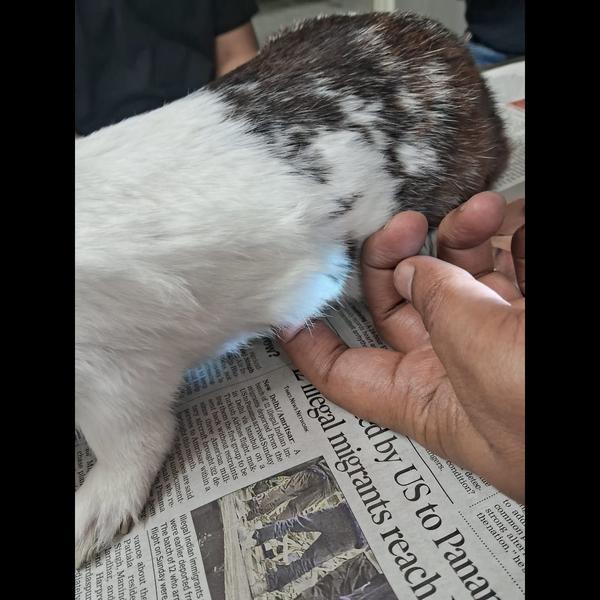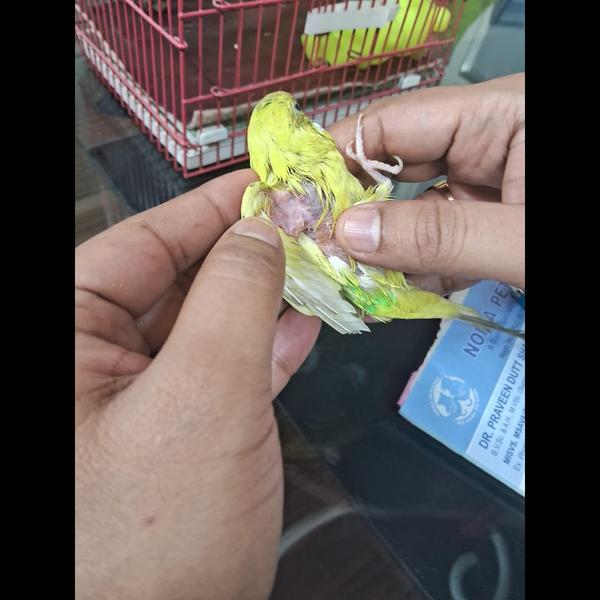


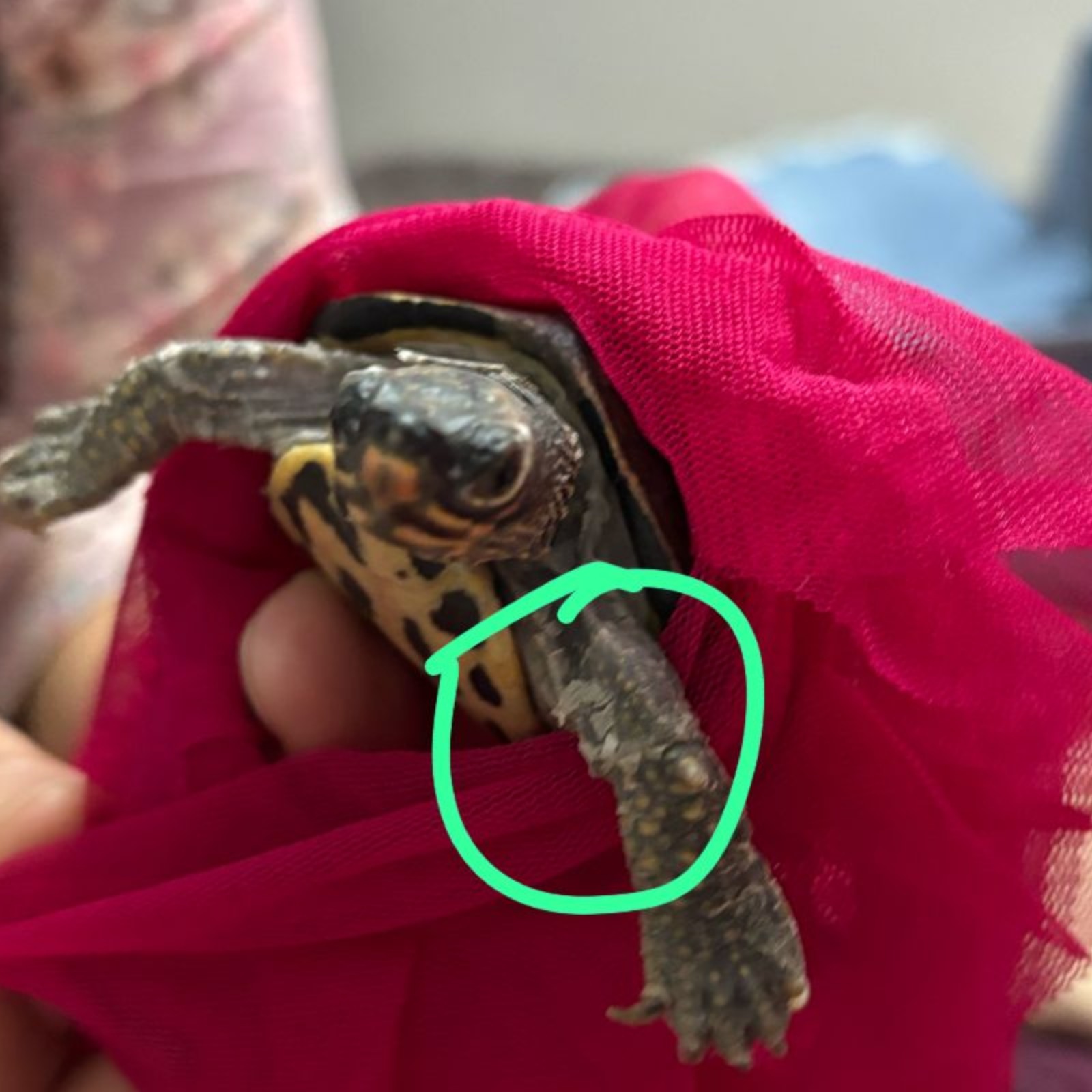
At Noida pet clinic turtle was presented with skin peeling on all four limbs. managed under Dr. P.D SHARMA guidance and care. Here is some more information about the disease.
Skin peeling in turtles can be normal or abnormal depending on the context. It's important to distinguish healthy shedding from signs of infection, poor husbandry, or illness.
🐢 Normal vs. Abnormal Skin Shedding in Turtles
✅ Normal Shedding
Turtles shed skin and scutes (shell plates) as they grow — especially aquatic turtles like red-eared sliders, map turtles, and cooters.
Signs it's normal:
- Thin, transparent skin flakes from neck, legs, or tail
- Occurs in patches, not all at once
- Turtle is active, eating, and swimming well
- Shell and skin look clean and healthy
🔹 Cause: Natural growth, more common in juveniles or after hibernation or temperature rise.
⚠️ Abnormal Shedding / Skin Peeling
Abnormal if associated with infection, poor water quality, or trauma.
🚩 Signs of Trouble:
- Skin looks raw, red, or inflamed
- Foul odor
- Skin is slimy, discolored, or excessively shedding
- Turtle is lethargic, not eating
- White, cottony growths (fungus)
- Open wounds or ulcers
❗ Common Causes:
- Bacterial or Fungal Infections
- Often from dirty or cold water
- May affect both skin and shell (shell rot)
- Poor Water Quality
- High ammonia or nitrate levels irritate skin
- Leads to over-shedding and infections
- Vitamin Deficiency (especially Vitamin A)
- Causes skin thickening and poor shedding
- ay also lead to swollen eyes, nasal discharge
- Parasites or Trauma
- Injuries from sharp tank décor or aggression
- External parasites (rare but possible)
- Burns
- From faulty heaters or UVB lamps placed too close
🧼 What You Should Do
🏥 If Shedding Seems Abnormal:
- See a vet (preferably herp/exotics specialist) for exam, skin scrapings, or culture
- Likely treatment:
- Topical antibiotics or antifungals
- Systemic antibiotics if infection is deep
- Improved water quality and habitat hygiene
💧 Prevention & Care Tips
Aspect Recommendation Water quality Use a strong filter, change water regularly, test pH/ammonia UVB & Heat Provide proper basking light (UVB + heat) Basking Area Keep dry and warm (85–95°F or 29–35°C) Diet Balanced: leafy greens, turtle pellets, calcium supplement, Vitamin A sources (carrot, squash) Tank hygiene Regularly clean tank, décor, and basking platform Visit Noida pet clinic for these services pet doctor, dog doctor, cat doctor, rabbit doctor, guinea pig doctor, rat doctor, turtle doctor, pet services , boarding, treatment vaccination, grooming, surgery, free online consultation, offers on services, free antirabies for stray camps, discount on products and medicines.
best discount pet clinic pet hospital pet shop free healthcare insurance services for dog cat bird rabbit guinea pig rat turtle in indirapuram vaishali south delhi gaur city gurgaon greater noida extension near me . Contact 9811716368, 9350129753