

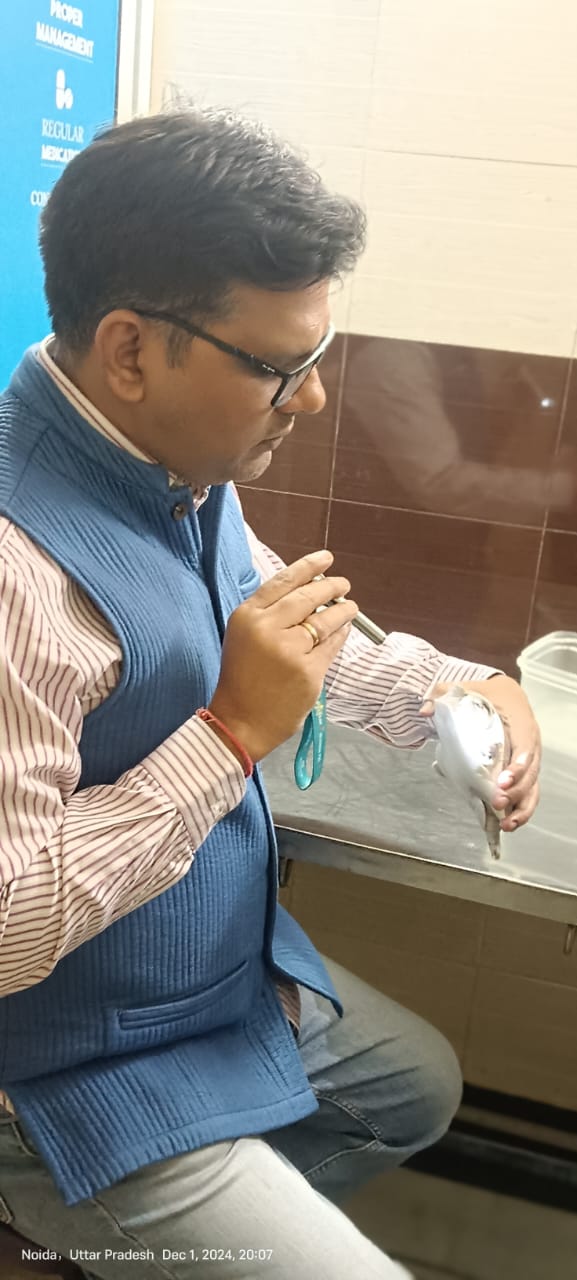
At Noida pet clinic turtle was presented with hypovitaminosis. Turtle session is unique feature at Noida petclinic and under Dr. P.D SHARMA guidance and care. pet doctor, dog doctor, cat doctor, rabbit doctor, guinea pig doctor, rat doctor, turtle doctor, pet services , boarding, treatment vaccination, grooming, surgery, free online consultation, offers on services, free antirabies for stray camps, discount on products and medicines.
Hypovitaminosis refers to a deficiency in one or more vitamins, and it can affect reptiles like turtles in several ways. Turtles require a well-balanced diet that includes essential vitamins, particularly Vitamin A, Vitamin D3, and Vitamin E, for overall health and proper functioning. If a turtle doesn’t get enough of these vitamins, it can develop hypovitaminosis, which can lead to serious health problems.
Common Types of Hypovitaminosis in Turtles
- Hypovitaminosis A (Vitamin A deficiency)
- Cause: lack in diet so continous supplementation required whole life.
- Symptoms:
- Swelling around the eyes, especially the eyelids (often referred to as "swollen eyelids").
- Discharge from the eyes or nose.
- Respiratory issues, including labored breathing or wheezing.
- In severe cases, loss of appetite, lethargy, or weakness.
- Treatment: Vitamin A supplements are often administered orally or via injection, and a more balanced diet (including leafy greens, yellow vegetables, and animal protein) should be provided.
- Hypovitaminosis D3 (Vitamin D3 deficiency)
- Cause: Vitamin D3 helps turtles absorb calcium from their diet, and a deficiency can result from a lack of exposure to UVB light or insufficient dietary sources of vitamin D3. Turtles that are not exposed to natural sunlight or proper UVB lighting in captivity are especially at risk.
- Symptoms:
- Weakness and difficulty moving.
- Soft or deformed shell (known as metabolic bone disease).
- Poor appetite or reluctance to eat.
- Swelling or softening of bones.
- Treatment: Ensure proper UVB lighting is available for your turtle (UVB bulbs should be replaced every 6-12 months) and provide dietary supplements if needed. Calcium supplements, along with vitamin D3, may be required.
- Hypovitaminosis E (Vitamin E deficiency)
- Cause: Vitamin E is an antioxidant that helps protect cells from damage and plays a role in immune function. A deficiency in vitamin E is less common but can be caused by feeding a poor diet lacking in green leafy vegetables, which are rich in Vitamin E.
- Symptoms:
- Muscle weakness or ataxia (lack of coordination).
- Swelling of the limbs or neck due to fluid buildup (edema).
- Loss of appetite or lethargy.
- Treatment: Vitamin E supplementation, along with a diet rich in vitamin E, such as leafy greens (e.g., dandelion greens, kale), will help treat this deficiency.
Causes of Hypovitaminosis in Turtles
- Improper Diet:
- Lack of UVB Exposure:
- Improper Supplementation:
- Environmental Factors:
Diagnosis
I turtle is suffering from hypovitaminosis, a veterinarian at noida pet clinic who specializes in reptiles should perform a thorough examination. This may include:
- Blood tests: To check for vitamin and calcium levels in the turtle’s system.
- Physical examination: To look for signs like swelling, discharge, or changes in shell condition.
Treatment
Treatment for hypovitaminosis in turtles will depend on which vitamin is deficient and the severity of the symptoms:
- Dietary changes:
- Supplements:
- UVB lighting:
- Calcium supplements:
Prevention of Hypovitaminosis
- Balanced Diet:
- UVB Lighting:
- Proper Supplementation:
- Regular Vet Checkups:
Conclusion
Hypovitaminosis is preventable and treatable with the proper care, diet, and environment. Ensuring your turtle receives a varied and nutrient-rich diet, exposure to UVB light, and, if necessary, vitamin supplements, will help keep them healthy and avoid deficiencies. If you suspect a vitamin deficiency in your turtle, consult with a reptile vet promptly to prevent long-term damage.