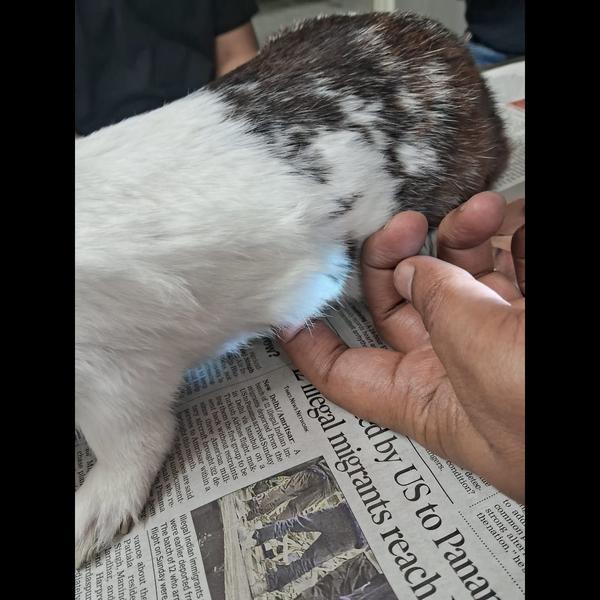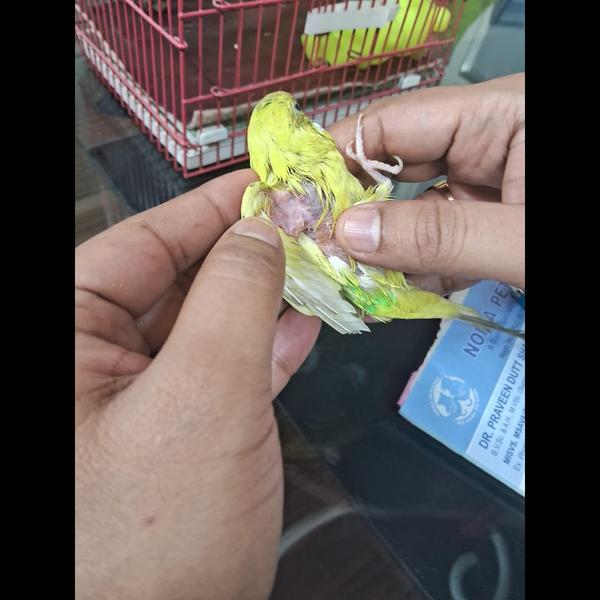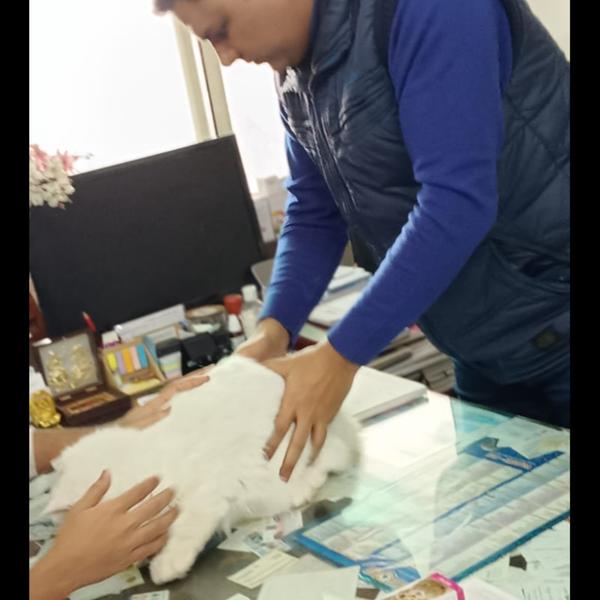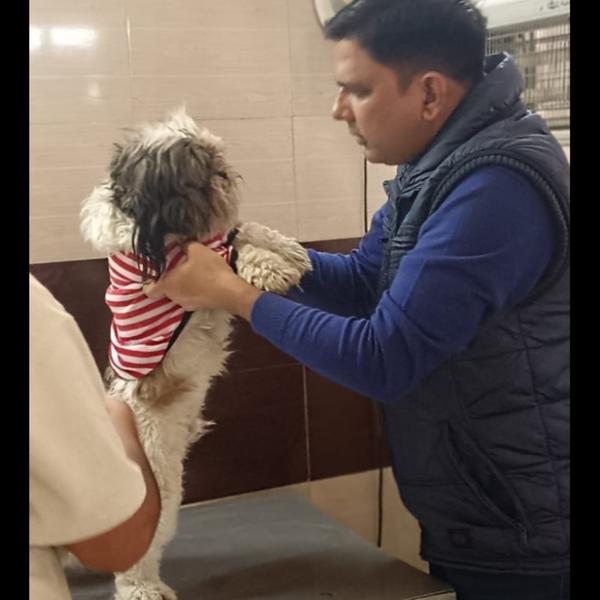


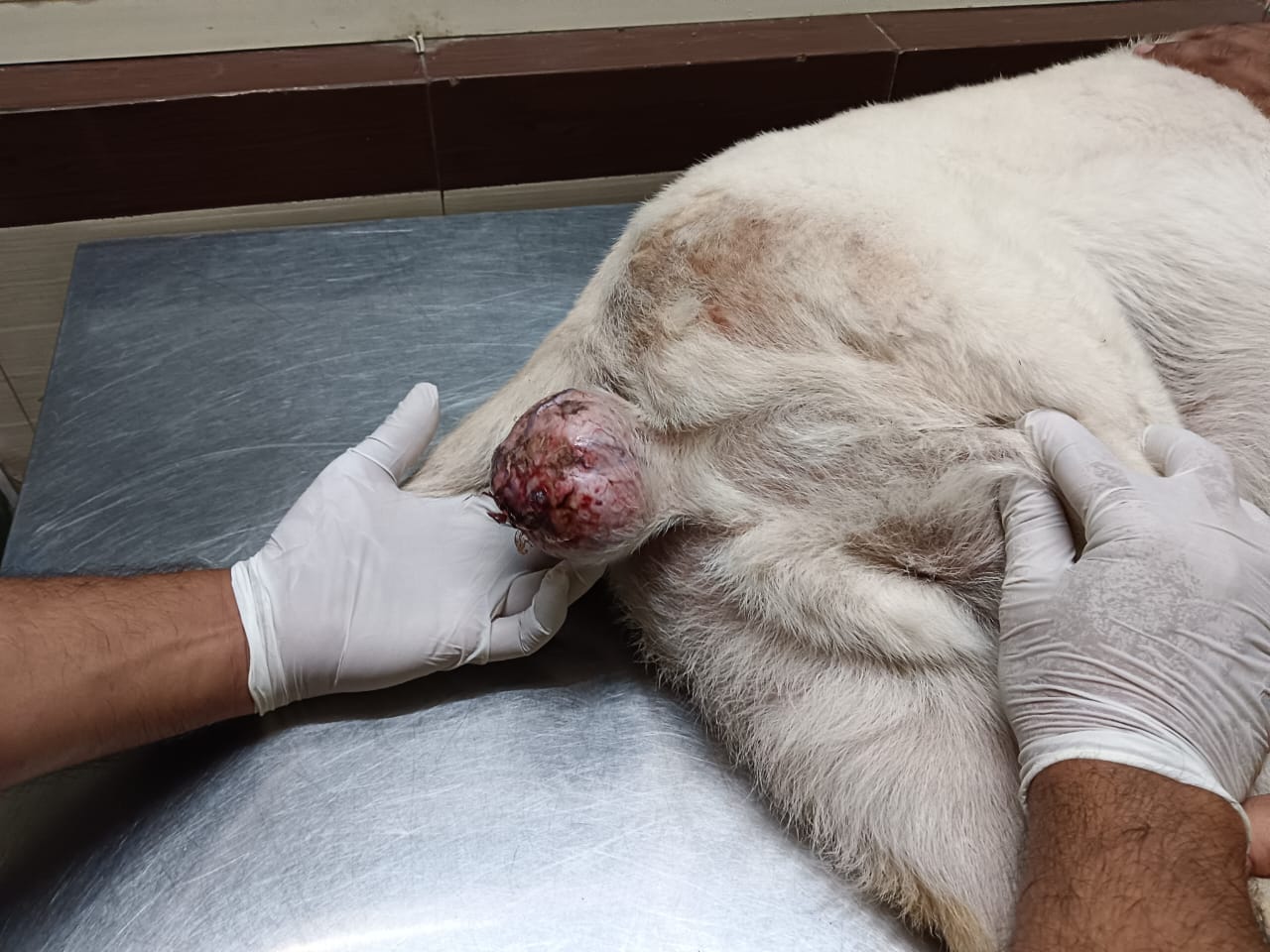
At Noida pet clinic LABRADOR was presented with testicular tumour, surgically managed under Dr. P.D SHARMA guidance and care. pet doctor, dog doctor, cat doctor, rabbit doctor, guinea pig doctor, rat doctor, turtle doctor, pet services , boarding, treatment vaccination, grooming, surgery, free online consultation, offers on services, free antirabies for stray camps, discount on products and medicines. best discount pet clinic pet hospital pet shop free healthcare insurance services for dog cat bird rabbit guinea pig rat turtle in indirapuram vaishali south delhi gaur city gurgaon greater noida extension near me
Testicular tumors in dogs are relatively common, especially in older male dogs. These tumors can vary in severity, with some being benign (non-cancerous) and others being malignant (cancerous). If you suspect your dog might have a testicular tumor, it’s important to have them evaluated by a veterinarian for proper diagnosis and treatment. Here's what you should know:
1. Types of Testicular Tumors:
- Interstitial (Leydig) Cell Tumor: These are usually benign and don't tend to spread, but they may cause hormone imbalances, leading to changes in behavior or physical characteristics (like enlarged mammary glands).
- Sertoli Cell Tumor: These are more serious and can be malignant. They can also produce hormones that may lead to feminizing effects in the dog (e.g., breast development, hair loss).
- Seminoma: This type is also malignant but tends to grow more slowly. It can sometimes be linked with other health issues like fluid accumulation in the abdomen.
- Mixed Tumors: Sometimes, a dog can have a combination of the above types, which may make the diagnosis and treatment plan more complex.
2. Signs and Symptoms of Testicular Tumors:
- Visible swelling or lumps in the testicles.
- Abnormal behavior: If the tumor is producing hormones, you may see changes like increased aggression, enlarged mammary glands, or a shift toward more feminine behaviors.
- Lethargy or discomfort: Dogs with testicular tumors may seem less active or show signs of pain.
- Fluid accumulation: In some cases, fluid can build up in the abdomen, causing bloating or a noticeable change in the dog's shape.
- Enlarged or atrophied testicle: One testicle may appear larger, or the affected testicle might shrink due to changes in the tumor.
3. Risk Factors:
- Cryptorchidism (undescended testicles): Male dogs with one or both testicles retained in the abdomen (cryptorchidism) are at a significantly higher risk of developing testicular tumors. If the testicle is not descended into the scrotum, it is more prone to abnormal cell growth.
- Age: Older male dogs are more likely to develop testicular tumors, typically in dogs over the age of 7.
4. Diagnosis:
- Physical exam: The vet will perform a thorough physical exam and palpate the testicles to feel for any lumps, swelling, or irregularities.
- Ultrasound: An ultrasound can help confirm the presence of a tumor and give more information about its size and location.
- Blood tests: Blood work can help assess the overall health of your dog and may indicate any hormonal imbalances.
- Fine needle aspiration or biopsy: In some cases, the vet might take a sample of the tumor cells to examine under a microscope and confirm whether it's benign or malignant.
5. Treatment Options:
- Surgical removal: The most common treatment for testicular tumors is orchiectomy (castration), which involves the removal of the affected testicle. In many cases, this is curative, especially for benign tumors.
- If the tumor is malignant, surgery to remove the testicle is still the first step, but additional treatments like chemotherapy or radiation may be needed depending on the type and spread of the tumor.
- Hormone treatment: If the tumor is hormone-producing, your veterinarian may recommend medications to help manage the hormone imbalances until the tumor can be removed.
- Ongoing monitoring: After surgery, your veterinarian will want to monitor your dog to make sure the tumor doesn't return or spread.
6. Prognosis:
- For benign tumors, the prognosis is generally very good after the affected testicle is removed. The dog should return to normal health.
- For malignant tumors, the prognosis depends on the type of tumor, whether it has spread, and how quickly it is treated. Early detection and surgery give a better chance for a positive outcome, but dogs with advanced cancer may require additional treatments, and the prognosis will depend on the extent of the disease.
7. Preventative Measures:
- Neutering: Neutering (castration) not only prevents testicular tumors but also eliminates the risk of many other health issues, including prostate disease and certain behavioral problems. It's generally recommended for male dogs that aren't intended for breeding.
- Monitoring: If you have a male dog with cryptorchidism (undescended testicles), regular veterinary check-ups are crucial, as they are at a higher risk for testicular tumors.