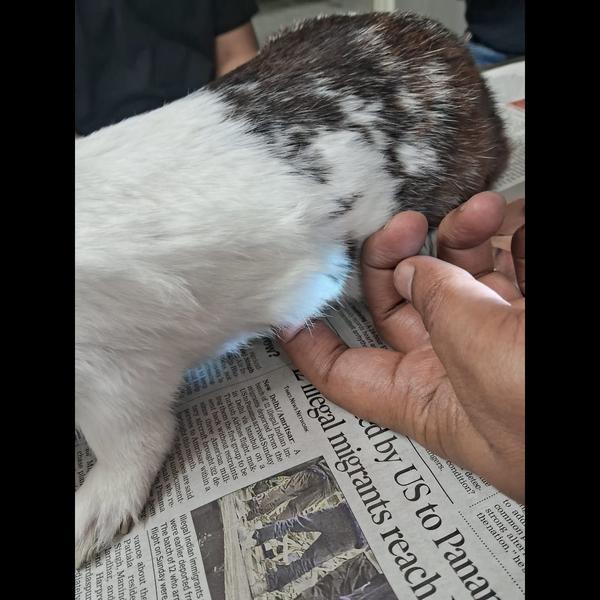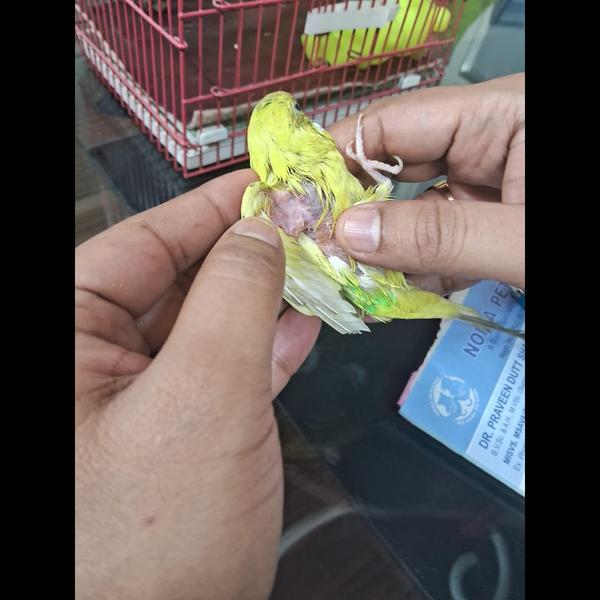


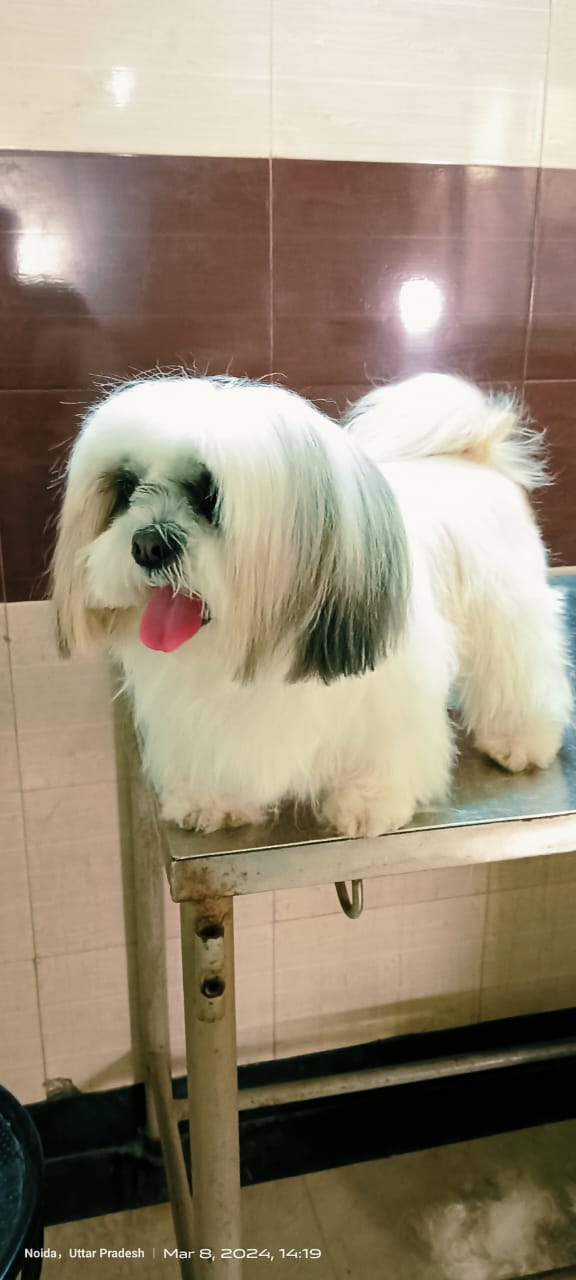
At Noida pet clinic grooming services are provided for dog, cat, rabbit, guinea pig, birds, fish, turtle , hamsters and rats , scientifically as per season change, skin issues in pets, unique logical solution to all issues arises dur to ignorance of pet owners, managed under Dr. P.D SHARMA guidance and care. pet doctor, dog doctor, cat doctor, rabbit doctor, guinea pig doctor, rat doctor, turtle doctor, pet services , boarding, treatment vaccination, grooming, surgery, free online consultation, offers on services, free antirabies for stray camps, discount on products and medicines.
Grooming your pet is an important part of their health and well-being. It not only keeps them looking their best, but also helps prevent health problems like skin infections, mats, and dental issues. Grooming needs vary depending on the species and breed of your pet, so here’s a general overview for different types of pets:
1. Dogs:
- Brushing: Regular brushing helps remove loose fur, prevents mats, and reduces shedding. The frequency depends on the breed and coat type:
- Short-haired dogs: Brush once a week.
- Long-haired dogs: Brush daily to prevent tangling and matting.
- Bathing: Dogs should be bathed as needed, typically every 4-6 weeks. Use a pet-safe shampoo to avoid skin irritation.
- Nail trimming: Trim nails every 3-4 weeks. Be careful not to cut the quick (the sensitive part inside the nail).
- Ear cleaning: Check ears regularly for signs of dirt, wax buildup, or infections, especially in breeds with floppy ears.
- Dental care: Brush your dog’s teeth with dog-safe toothpaste. Dental chews can also help maintain oral health.
2. Cats:
- Brushing: While cats groom themselves, regular brushing helps reduce shedding and hairballs:
- Short-haired cats: Brush once a week.
- Long-haired cats: Brush daily to prevent mats and tangles.
- Bathing: Most cats don’t need regular baths, but if your cat gets into something sticky or smelly, a bath with a gentle cat shampoo may be necessary.
- Nail trimming: Trim your cat’s claws about once a month. Be careful not to cut the quick.
- Ear cleaning: Check ears for excess wax, dirt, or infections. Clean gently if necessary using a pet-safe ear cleaner.
- Dental care: Brush your cat's teeth if possible. Dental treats or water additives can help maintain oral health.
3. Rabbits:
- Brushing: Rabbits with long fur (like Angora rabbits) need daily brushing to prevent mats. Short-haired rabbits only need brushing once a week.
- Nail trimming: Trim their nails regularly (every 4-6 weeks). Be cautious not to cut the quick, as it can be painful and cause bleeding.
- Ear cleaning: Keep an eye on your rabbit's ears for dirt or signs of infection. Clean only if necessary with a damp cloth.
- Hygiene: Rabbits are generally very clean and will groom themselves, but make sure their living area is kept clean and dry.
4. Guinea Pigs:
- Brushing: Guinea pigs with long hair need regular grooming (daily to weekly), while short-haired ones need it less often (weekly).
- Nail trimming: Trim their nails every 3-4 weeks to prevent them from growing too long.
- Bathing: Guinea pigs don’t need frequent baths, but if they get dirty, use a guinea pig-safe shampoo.
- Dental care: Provide chew toys or hay to help keep their teeth from overgrowing.
5. Birds:
- Feather care: Most birds groom themselves, but they may need help with molting or feather clipping if they can’t do it themselves. Consult an avian vet for feather clipping.
- Beak and nail trimming: Regularly check for overgrowth. Some birds may need their beaks and nails trimmed by a vet or professional groomer.
- Cage cleaning: Keep their cage clean and provide a variety of perches, toys, and opportunities for bathing.
- Bathing: Some birds enjoy baths, while others may require regular misting with water to stay clean.
6. Fish:
- Tank cleaning: Clean the tank regularly by changing the water (typically once a week) and vacuuming the substrate to remove waste.
- Filter maintenance: Keep the filter clean to maintain water quality.
- Algae control: Keep algae under control with proper lighting and cleaning.
7. Small Mammals (Hamsters, Gerbils, Ferrets):
- Cleaning: These pets are usually quite clean, but you should still clean their cages regularly (once a week) and replace bedding.
- Nail trimming: Trim their nails as needed to prevent them from growing too long.
- Bathing: Ferrets may need occasional baths, but hamsters and gerbils typically groom themselves and don’t require regular baths.
General Grooming Tips:
- Start early: Introduce grooming to your pet when they’re young to get them used to the process.
- Be patient: Grooming can be a bonding experience, but it may take time to get your pet comfortable.
- Use proper tools: Invest in good-quality grooming tools, such as pet-specific brushes, clippers, and nail trimmers.
- Check for skin issues: While grooming, check for signs of skin irritation, parasites, or injuries, and consult a vet if you notice anything unusual.
- Stay calm: Your pet may get nervous or stressed during grooming, so stay calm and gentle, and take breaks if needed.