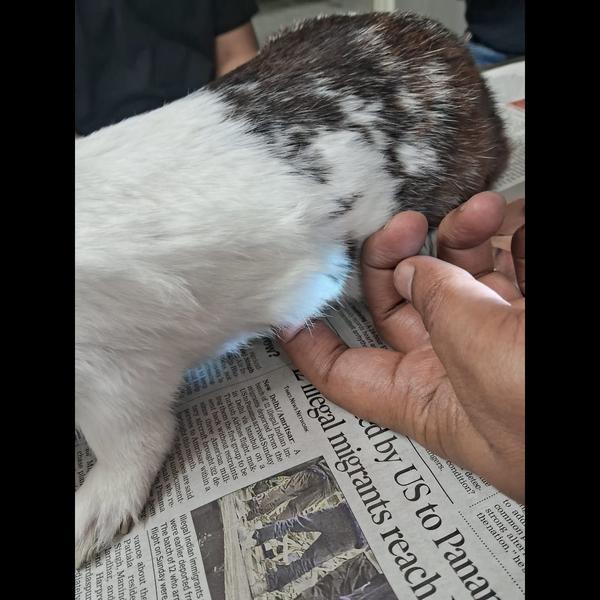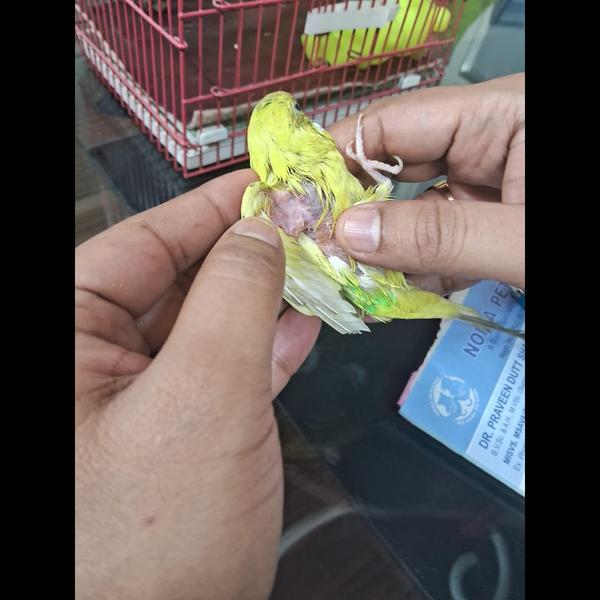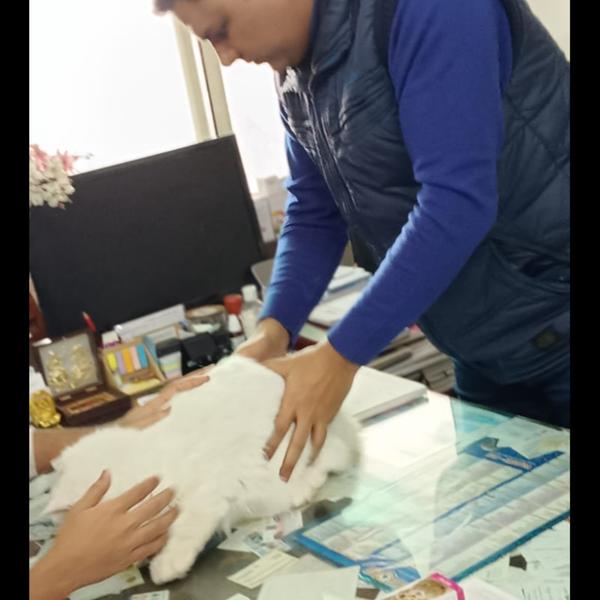


At Noida pet clinic cat was present with the eye infection inside and around and well managed under Dr. P.D SHARMA guidance and care. Here is some more information about the different diseases of eye in cats.
best discount pet clinic pet hospital pet shop free healthcare insurance services for dog cat bird rabbit guinea pig rat turtle in indirapuram vaishali south delhi gaur city gurgaon greater noida extension near me
Eye infections in cats can be caused by a variety of factors, including bacteria, viruses, fungi, parasites, and environmental irritants.
Common Causes of Eye Infections in Cats:
- Conjunctivitis (Pink Eye):
- What it is: Conjunctivitis is the inflammation of the conjunctiva, the thin tissue that covers the front part of the eye and lines the eyelids.
- Causes: It can be caused by bacterial or viral infections (e.g., feline herpesvirus), allergies, or irritants like smoke or dust.
- Symptoms: Redness in the eyes, excessive tearing, discharge (clear, yellow, or green), squinting, or swelling of the eyelids.
- Treatment: Treatment depends on the cause. If bacterial, antibiotics (topical or oral) may be prescribed. For viral infections, antivirals or supportive care may be necessary. In the case of allergies, antihistamines or environmental changes may be recommended.
- Feline Herpesvirus (FHV-1):
- What it is: Feline herpesvirus is a common viral infection in cats, and it can lead to recurrent eye infections. It is often responsible for conjunctivitis and other eye issues.
- Symptoms: Watery eyes, excessive discharge, squinting, and inflammation of the conjunctiva. The virus can also cause corneal ulcers, which are painful.
- Treatment: Antiviral medications (such as famciclovir) may be prescribed, along with supportive care like eye drops and pain management. In severe cases, corneal ulcers may require specific treatments or surgery.
- Bacterial Infections:
- What it is: Bacterial infections can occur as a result of injury, foreign bodies, or secondary infections due to other illnesses.
- Symptoms: Thick, pus-like discharge, redness, and swelling around the eyes. The cat may also squint or rub the eye.
- Treatment: Antibiotics (topical or oral) are typically used to treat bacterial infections. If the infection is severe, your veterinarian may also recommend eye cleaning and additional treatments.
- Uveitis:
- What it is: Uveitis is the inflammation of the uveal tract (the middle layer of the eye). It can be caused by infections, trauma, or systemic diseases (like feline leukemia virus or feline immunodeficiency virus).
- Symptoms: Pain, squinting, redness of the eye, cloudiness, or a change in the size of the pupil. In severe cases, it can lead to vision loss.
- Treatment: Treatment depends on the underlying cause. Anti-inflammatory medications, pain relief, and sometimes antibiotics or antiviral medications may be used.
- Corneal Ulcers:
- What they are: A corneal ulcer is an open sore on the cornea (the clear surface of the eye). They can be caused by trauma (e.g., scratches), foreign bodies, or infections.
- Symptoms: Excessive tearing, squinting, redness, and visible damage to the cornea (cloudy or missing surface).
- Treatment: Antibiotic eye drops or ointments are commonly prescribed to prevent infection. Severe cases may require pain relief, anti-inflammatory medications, or even surgery to promote healing.
- Foreign Bodies:
- What it is: Small particles like dust, dirt, or eyelashes can sometimes get into a cat’s eye, leading to irritation and infection.
- Symptoms: Redness, squinting, tearing, pawing at the eye, and sometimes visible debris.
- Treatment: If a foreign body is detected, it may be removed by a veterinarian. Antibiotic eye drops may be prescribed afterward to prevent infection.
- Allergies:
- What it is: Allergic reactions in cats can lead to eye irritation and inflammation. Common allergens include pollen, dust, mold, or even certain foods.
- Symptoms: Red, watery eyes, squinting, and sometimes sneezing. The cat may also exhibit other signs of allergy, such as itching or gastrointestinal issues.
- Treatment: Managing allergies often involves avoiding the allergen, using antihistamines, and sometimes corticosteroid eye drops to reduce inflammation.
- Keratoconjunctivitis Sicca (Dry Eye):
- What it is: Dry eye is a condition in which the eye does not produce enough tears, leading to dryness and irritation. It can cause secondary infections.
- Symptoms: Redness, thick or stringy discharge, squinting, and eye discomfort.
- Treatment: Artificial tears or lubricating eye drops are used to relieve symptoms. In some cases, medications that stimulate tear production, such as cyclosporine, may be prescribed.
Symptoms to Watch For:
- Redness or swelling around the eye
- Discharge from the eye (clear, yellow, green, or thick)
- Excessive tearing
- Squinting or pawing at the eye
- Cloudy or swollen cornea
- Change in the size or shape of the pupil
- Frequent blinking or rubbing the eye
- Behavior changes (e.g., hiding, lethargy)
Treatment Options:
- Antibiotic Eye Drops/Ointments: For bacterial infections or secondary bacterial infections, antibiotics are commonly used. If the infection is viral, antiviral treatments may be prescribed.
- Steroids/Anti-inflammatory Drugs: These may be used in cases of inflammation, such as with uveitis or conjunctivitis, but they must be used cautiously, as steroids can worsen some viral infections.
- Artificial Tears: For dry eye or irritation, lubricating drops can help hydrate the eye and relieve discomfort.
- Surgical Intervention: If there is a corneal ulcer, foreign body, or severe damage to the eye, surgical procedures may be required to repair the damage or remove the foreign body.
- Supportive Care: In some cases, especially with viral infections like feline herpesvirus, supportive care (e.g., fluids, warmth, and comfort) is necessary.
Prevention:
- Regular Vet Check-ups: Routine check-ups can help catch any developing eye issues before they become serious.
- Keeping the Environment Clean: Reducing exposure to environmental irritants, such as dust and smoke, can help protect your cat’s eyes.
- Good Hygiene: If your cat is prone to eye infections, regular cleaning of the eyes with a damp, soft cloth can help remove any irritants and prevent infections.
- Vaccination: Ensuring your cat is up to date on vaccinations, especially for feline herpesvirus and other viral infections, can help prevent some causes of eye infections.
Conclusion:
Eye infections in cats can range from mild to severe, and treatment will depend on the underlying cause. It's important to keep an eye on any changes in your cat’s behavior and consult a vet if symptoms persist or worsen. Early treatment is essential to ensure your cat’s eyes stay healthy and to prevent complications like vision loss.
pet doctor, dog doctor, cat doctor, rabbit doctor, guinea pig doctor, rat doctor, turtle doctor, pet services , boarding, treatment vaccination, grooming, surgery, free online consultation, offers on services, free antirabies for stray camps, discount on products and medicines.